





How to Fold a Pocket Square and Match It With Your Tie
Key Takeaways
- The flat fold is the most versatile option for business and formal events, while the one-point and three-point folds add sharpness for weddings, and the puff fold works best in smart-casual settings.
- The fold should match the formality of the tie and the occasion, with the suit and tie chosen first and the pocket square added last as a finishing touch.
- A pocket square should coordinate with the tie rather than match it exactly. Picking one color from the tie in a different shade keeps both pieces working together without looking like a pre-packaged set.
- Three squares cover most occasions: a white linen for formal and business settings, a patterned silk for weddings and dinners, and one bold option for evening events.
The breast pocket of a suit or blazer is where a pocket square, a small fabric piece, is worn. It draws attention to the face, injects character into a simple jacket, and indicates a thoughtfully assembled outfit. Many men either completely omit it or add one without forethought, and either approach results in an incomplete appearance. It’s easy to fold, the pairing rules are simple, and with a little knowledge, you can do it in under a minute.
When to Wear a Pocket Square
A pocket square works for business meetings, weddings, dinners, and any occasion where a blazer on its own looks a bit plain. It is the last detail you add to an outfit, not the centerpiece. The suit, shirt, and tie do the heavy lifting. The pocket square finishes the job.
Getting the foundation right matters more than the square itself. Choosing the right shirt collar frames your face and sets the tone for the tie, and a well-chosen tie connects the shirt to the suit. Once those pieces are working together, the pocket square slots in as the finishing touch.
How to Fold a Pocket Square: Four Folds That Cover Every Occasion
You do not need to learn dozens of folds. These four cover nearly every event, from a Monday morning meeting to a Saturday evening wedding.
- Flat fold (Presidential): Fold the square in half, then in half again to form a neat rectangle. Slide it into the breast pocket so a clean, straight line sits just above the edge. This is the most understated option and works well for business, interviews, and conservative formal events.
- One-point fold: Lay the square flat in a diamond shape. Fold the bottom corner up to meet the top so it forms a triangle, then fold the left and right sides inward until it fits the pocket. Slide it in with one clean point visible above the edge. A classic choice for weddings and formal dinners.
- Puff fold: Pinch the center of the square and lift it up so the edges drape downward naturally. Gather the bottom loosely, tuck it into the pocket, and let a soft puff sit above the edge. This is the easiest fold and pairs well with patterned silk squares and smart-casual looks.
- Three-point fold: Start like the one-point fold, but offset the bottom corner slightly so two peaks form. Fold one side corner upward at an angle to create a third peak, then tuck the base into the pocket. This fold works well for dressier evening events where you want a bit more visual interest.
How to Fold a Pocket Square With Your Tie
The first step is getting the suit and tie right before thinking about the square. Matching your tie to your suit is the foundation that everything else builds on, and if the tie clashes with the jacket, no pocket square fold will fix it. Once the suit and tie are working together, the fold you choose should match their level of formality.
For business ties and black tie events, the flat fold is the safest choice. It looks tidy and never overdone. For silk ties at weddings or formal dinners, the one-point or three-point fold adds a touch of interest without looking too busy. Knit or patterned ties on relaxed days pair best with the puff fold, which feels natural and effortless.
To put it into practice: a navy suit and navy tie work well with a white linen flat fold; a grey suit and patterned tie pair nicely with a solid silk puff fold; and a black tuxedo looks sharpest with a classic white linen flat fold.
Matching Your Pocket Square With Your Tie
One of the most common questions is, should my pocket square match my tie? The short answer is no, not exactly. Tie-and-square sets sold in identical fabric and pattern tend to look dated. They give the impression the outfit was bought as a package rather than put together with care. The goal is coordination, not replication.
The easiest approach is to pick one color from the tie, shirt, or suit, and choose a square in a different shade. A burgundy tie pairs well with a soft pink or off-white square. A navy tie works with a light blue or cream option. The contrast within the same color family is what keeps both pieces working together.
If the tie carries a bold pattern, keep the square plain. If the tie is a solid color, the square can carry the pattern or a stronger shade. One piece stays quiet while the other leads, and that balance keeps the outfit looking intentional.
A Simple Pocket Square Starter Kit
You do not need a large collection to cover every occasion. Three well-chosen squares will handle most events on your calendar. Start with a white linen square. Linen holds a crisp shape, which makes it ideal for the flat and one-point folds, and white works for business, interviews, weddings, and just about any formal setting. It is the single most versatile pocket square you can own.
From there, add a patterned silk in muted tones for weddings and dinners where plain white feels too conservative. Silk drapes softly and works best with the puff fold, giving it a relaxed, natural look. Then round things out with one bold color or print for evening events where you want to show a bit more personality.

Get the Suit Right and the Details Follow
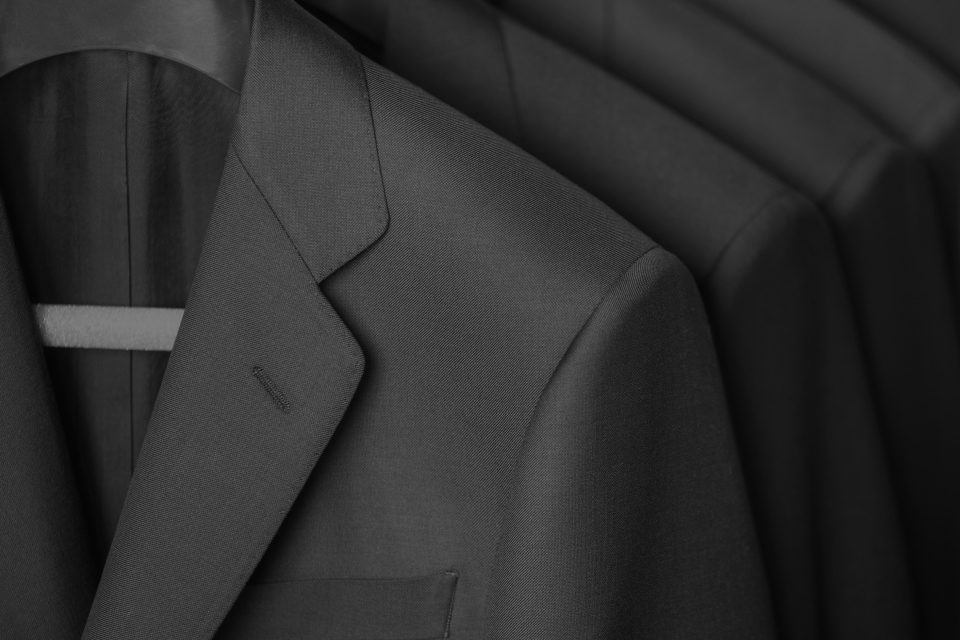
A pocket square only looks right when the suit underneath is well cut. The lapel width, breast pocket height, and shoulder line all affect how the final detail sits. A badly fitted suit draws attention to the wrong places, and no fold or color choice will fix that.
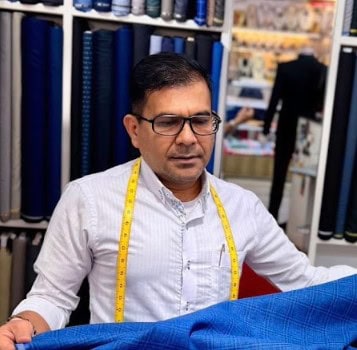
With over 25 years of tailoring experience, Perfect Tailor BKK is a suit tailor shop in Bangkok where every measurement is taken with care and every proportion is tuned to the wearer. Master Tailor Louis and the team work with each client through fabric selection, fittings, and final adjustments so the finished suit gives accessories like ties and pocket squares the right canvas to sit on.
Visit Perfect Tailor BKK and let our tailors craft the suit your pocket square deserves to sit in.
References
- How To Properly Rock A Pocket Square. Retrieved 6 July 2026, from https://www.artofmanliness.com/style/accessories/how-to-fold-a-pocket-square/
Frequently Asked Questions About Pocket Squares
Q: What is the easiest way to fold a pocket square?
A: The flat fold, also called the Presidential fold, is the easiest option. Fold the square in half twice to form a small rectangle and slide it into the breast pocket so a clean line shows above the edge. It works for business, weddings, and most formal events.
Q: Can I wear a pocket square without a tie?
A: Yes. A pocket square works well with a blazer and an open-collar shirt for smart-casual occasions. A simple puff fold in white or a soft color adds polish without overdressing the outfit.
Q: What fabric is best for a pocket square?
A: Linen and cotton hold crisp folds and work well for the flat and one-point styles. Silk is softer, drapes naturally, and is best suited to the puff fold. A white linen square is the most versatile starting point for any wardrobe.
Q: Should my pocket square match my tie exactly?
A: No. Matching sets in identical fabric and pattern tend to look outdated. Instead, coordinate by picking one color from the tie, shirt, or suit and choosing a square in a different shade. Keep one piece bold and the other understated so they complement rather than compete.