




Smart Ways to Suit Up in Hot Weather and Tropical Climates
Key Takeaways
- Linen, cotton, seersucker, and tropical wool are the top fabric choices for staying comfortable in hot and humid climates
- Lightweight construction, minimal lining, and unstructured or half-canvas jackets improve airflow and reduce heat retention
- Light colors like beige, stone, and soft gray reflect sunlight and feel noticeably cooler than dark suits outdoors
- Single-breasted, half-lined, or unlined jackets are better suited for tropical weather than heavier double-breasted styles
- Pairing breathable shirts and lightweight accessories with your suit completes a heat-friendly outfit
- A tailor experienced in tropical climates can guide you on the right fabric weight, lining, and construction for real-world comfort
The best suit for hot weather is one made from breathable fabric, built with lightweight construction, and cut in a way that lets air move around your body instead of trapping heat against it. In warm weather, linen, tropical wool, and cotton are excellent choices, and with the correct jacket construction, they can keep you comfortable even on long, 30°C days while maintaining your style. Choosing the right fabrics and styles is crucial for comfort in tropical cities like Bangkok, preventing you from arriving at events or meetings sweaty and uncomfortable in ill-fitting suits.
Why Your Suit Choice Matters More in Hot Weather
Heat and humidity change how a suit performs on your body. A jacket that feels fine in an air-conditioned showroom can turn into a sauna the moment you step outside in Bangkok or any other tropical city. Fabric, construction, and even color all influence how much heat your suit retains. Choosing the wrong combination means discomfort within minutes, visible sweat marks, and a suit that loses its shape faster than it should. Getting the right combination means you stay cool, look sharp, and can actually focus on where you’re going instead of how hot you feel getting there.
What Makes a Suit Work in Hot Weather?
Breathable Fabrics
Open-weave fabrics allow air to pass through the material, which reduces heat buildup against your skin. The best suit material for hot weather includes linen, cotton, seersucker, and tropical wool. Each of these handles moisture and airflow differently, but they all outperform heavier fabrics like flannel or tweed in warm conditions. Moisture control is the key factor here. Fabrics that absorb sweat without feeling heavy or damp will keep you more comfortable over the course of a full day.
Lightweight Construction
The way a jacket is built has just as much impact as the fabric itself. Half-canvas or unstructured jackets feel significantly lighter than heavily padded, fully lined options. Minimal lining improves ventilation through the chest and back, which is where body heat concentrates most. Less padding in the shoulders also means less insulation, so air can circulate more freely.
Color and Heat Control
Light colors reflect sunlight while dark colors absorb it. If you’re spending time outdoors, a suit in light gray, beige, stone, or soft pastels will feel noticeably cooler than a black or charcoal one. Dark suits still work for indoor, air-conditioned events, but for anything that involves walking outside or standing in the sun, lighter tones are the practical choice.
Best Suit Material for Hot Weather
Linen and Linen Blends
Linen is the classic warm-weather fabric and for good reason. Its loose weave makes it one of the most breathable materials available for suiting. It dries quickly, feels light on the body, and works well in both humid and dry heat. The natural texture of linen also gives it a relaxed, lived-in look that suits destination settings, outdoor events, and less formal occasions. One thing to keep in mind is that pure linen wrinkles easily. Linen blends (mixed with cotton or wool) reduce creasing while still keeping airflow strong.
Cotton and Seersucker
Cotton is familiar, comfortable, and versatile enough for both business and casual wear. It holds a crisper line than linen, which makes it a solid choice if you want a sharper look without overheating. Seersucker takes cotton a step further with its distinctive puckered texture. That puckering lifts the fabric slightly off your skin, creating small pockets of airflow that help you stay cool. Both work well for smart-casual and semi-formal settings in warm climates.
Tropical Wool and Lightweight Wool
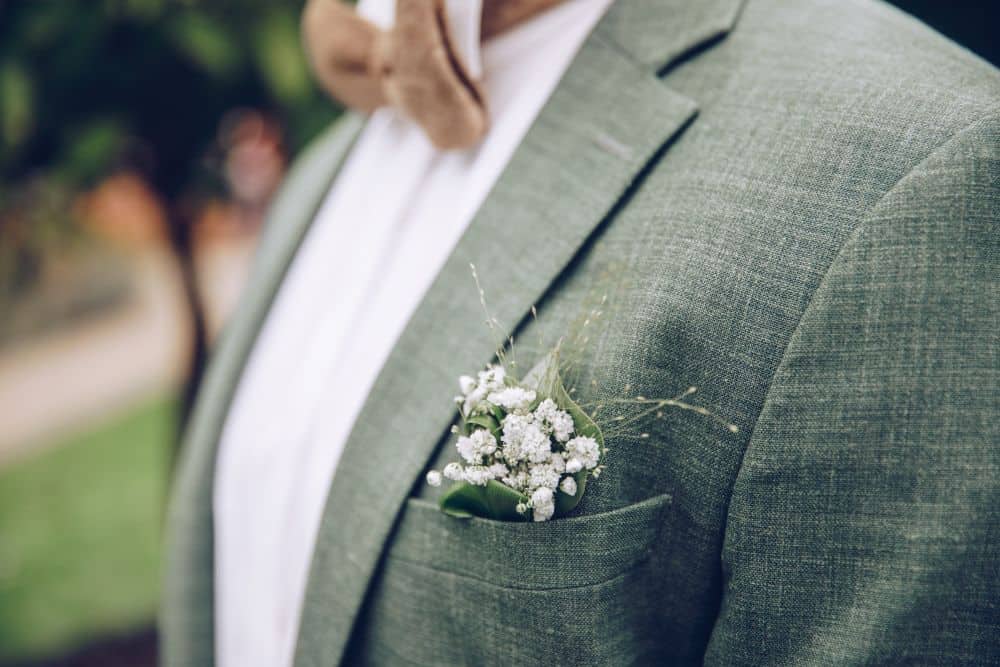
Tropical wool (sometimes called fresco wool) is designed specifically for warm weather. It’s lighter and more open in weave than standard wool, which allows better airflow while still giving you the drape and structure that linen and cotton can’t always deliver. If you need the best suit for a wedding in hot weather or a formal business event where you still want to look polished, tropical wool is often the strongest option. It resists wrinkles better than linen, holds its shape throughout the day, and pairs well with both formal and semi-formal styling.
Best Suit Styles for Hot Weather
Unstructured and Soft Jackets
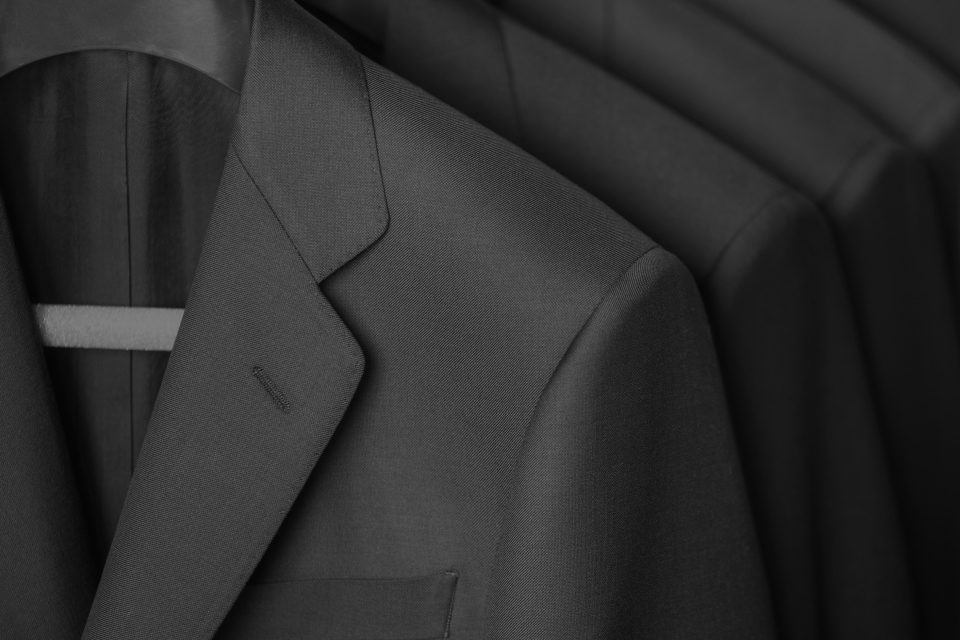
Unstructured jackets skip the heavy shoulder padding and stiff internal layers found in traditional tailoring. The result is a more relaxed silhouette that breathes better and sits lightly on your frame. This style works well in tropical climates where comfort is a priority without giving up a polished appearance.
Half-Lined or Unlined Jackets
A fully lined jacket adds an extra layer of fabric across your entire torso, which traps heat. Half-lined jackets (lined only through the sleeves and upper back) or fully unlined options cut down on heat retention significantly. For humid conditions where ventilation is critical, reducing the lining is one of the most effective changes you can make.
Single-Breasted Designs
Single-breasted jackets use fewer layers of fabric across the chest compared to double-breasted styles. That lighter front panel makes a real difference in warm weather. They’re also easier to wear unbuttoned when you need a quick break from the heat, giving you more flexibility throughout the day.
Shirts and Accessories That Help You Stay Cool
Breathable Shirt Fabrics
Your shirt sits directly against your skin, so the fabric choice here is just as important as the suit itself. Cotton poplin, lightweight oxford, and open-weave fabrics all perform well in hot weather. Collar construction also affects comfort. A spread collar or a slightly lower collar band gives your neck more room to breathe compared to a tight, stiff collar. If you’re getting custom made men shirts, ask for a lighter fabric weight and a collar that suits the climate, not just the style.
Accessories That Work in the Heat
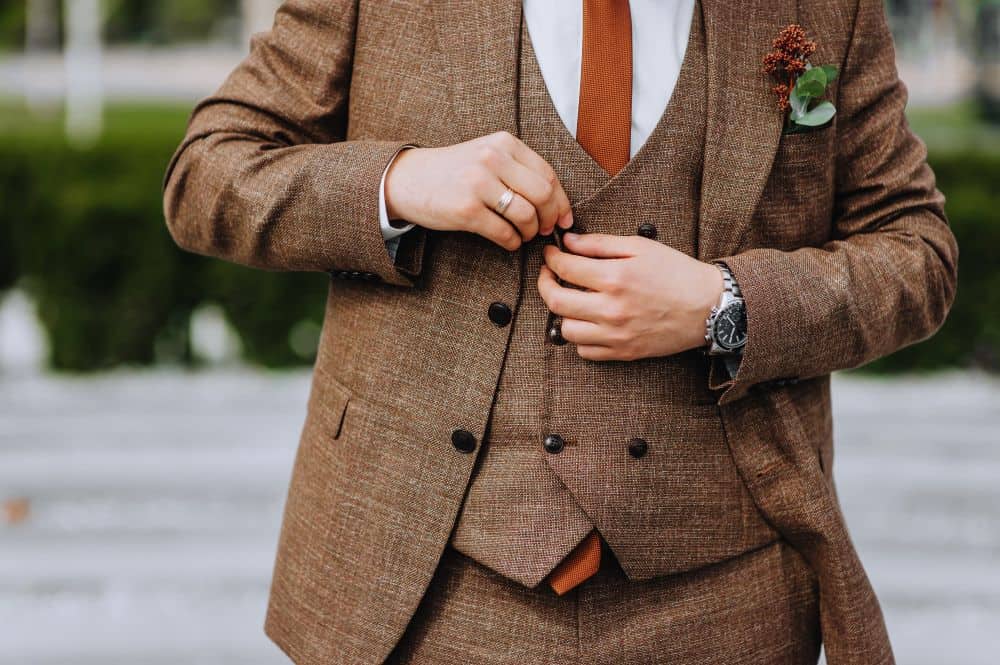
Keep accessories lightweight and minimal. Linen ties, knit ties, and silk blend ties add texture without bulk. Skip the waistcoat unless it’s required for the dress code. Loafers or breathable leather shoes in lighter tones complete the look without adding unnecessary warmth. The goal is fewer layers and lighter materials from head to toe.
Why a Bangkok Suit Tailor Shop Is Ideal for Hot Climates
Built for Heat and Humidity
Tailors who work in tropical cities deal with heat-related fabric and construction decisions every single day. A Bangkok suit tailor shop understands which fabric weights perform well in 35°C humidity, which lining options prevent overheating, and how to balance structure with breathability. That kind of climate-specific knowledge is hard to find in a tailor based in a cooler region who works with heavy wools year-round.
Getting the Fit Right Without Overheating
Fit is directly connected to comfort in warm weather. A suit that’s too tight restricts airflow and causes fabric to cling when you sweat. One that’s too loose can trap warm air and look shapeless. The right fit creates just enough room for air to circulate around your body while keeping clean lines through the chest, shoulders, and waist. An experienced tailor achieves this balance through precise measurements and fabric selection.
Practical Styling Tips for Hot Weather
Reduce Layers Where Possible
If the dress code allows it, skip the waistcoat in extreme heat. Choose lightweight inner layers, or go without an undershirt if your shirt fabric is opaque enough. Every layer you remove improves your comfort.
Choose Colors and Patterns Carefully
Light shades work best for daytime outdoor events. Subtle patterns like fine checks or light pinstripes can help disguise light perspiration better than solid light colors, which tend to show moisture more easily.
Travel and Maintenance Tips
Use a garment bag when transporting your suit to avoid unnecessary creasing. Linen and cotton wrinkle easily during travel, so give them a steam or light press before wearing. Hanging your suit in a steamy bathroom for 15 to 20 minutes can also release wrinkles without direct heat.
Why Choose Perfect Tailor for Your Hot-Weather Suit
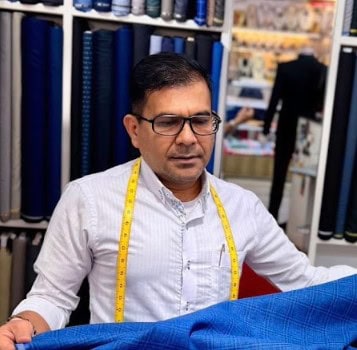
At Perfect Tailor, we’ve spent over 25 years working with international clients who need suits that perform in tropical conditions. We carry a wide range of breathable fabrics, including linen, linen blends, cotton, and tropical wool, all selected for how they handle heat and humidity in real wearing conditions. Our team advises you on construction choices that work in practice, from half-lined jackets to unstructured shoulders, so your suit feels as good at the end of the day as it does when you first put it on. We also offer a fast turnaround for travelers with limited time in Bangkok, so you can get fitted and walk away with a finished suit within days.
Visit our Sukhumvit Road location or book an appointment online and get the best suit for hot weather that’s built for real comfort and lasting style.
References:
- The Ultimate Guide: 5 Lightweight Fabrics For Cool And Stylish Summer Suits. Retrieved on 22 April 2026 from https://mond.com/style-journal/the-ultimate-guide-5-lightweight-fabrics-for-cool-and-stylish-summer-suits/
Frequently Asked Questions About Best Suit for Hot Weather
Q: What is the best suit fabric for hot and humid weather?
A: Linen is the most breathable option for hot and humid climates. It dries quickly and allows strong airflow. Tropical wool is another strong choice if you need a more polished, wrinkle-resistant look. Cotton and seersucker also perform well for smart-casual and semi-formal settings.
Q: What is the best suit for a hot weather wedding?
A: For a hot weather wedding, a tropical wool or linen blend suit in a light color like beige, light gray, or soft blue works well. Pair it with a half-lined or unlined jacket for better ventilation, and choose a single-breasted design for a lighter feel.
Q: Should I choose a lined or unlined jacket for hot weather?
A: An unlined or half-lined jacket is the better choice for hot weather. Full lining adds an extra fabric layer that traps heat across your torso. Half-lined jackets (lined through the sleeves and upper back only) reduce heat retention while still giving the jacket enough structure to hold its shape.
Q: Can I wear a wool suit in tropical weather?
A: Yes, if it’s the right type of wool. Tropical wool and fresco wool are specifically designed for warm climates. They use a lighter, more open weave than standard wool, which allows airflow while maintaining the drape and structure that lighter fabrics sometimes lack.
Q: Why should I get a suit tailored in Bangkok for hot weather?
A: Tailors in Bangkok work with tropical fabrics and construction methods every day. They understand which fabric weights, lining options, and construction styles perform best in high heat and humidity, which gives them a practical advantage over tailors in cooler climates.