




Linen or Wool? How to Choose Your Hot Weather Suit
Key Takeaways
- Linen is the most breathable suit fabric for hot weather, but it wrinkles easily and works best for casual or semi-formal occasions
- Lightweight wool (including tropical wool from mills like VBC) holds its shape, resists wrinkles, and performs well in both heat and air-conditioned settings
- When comparing a linen suit vs a wool suit, the best choice depends on the occasion, dress code, and how much maintenance you’re willing to do
- Lighter colors reflect sunlight and feel cooler outdoors, while fabric rotation and steaming help keep suits fresh in humid climates
- A tailor experienced in tropical climates can guide you on the right fabric weight, lining, and construction for all-day comfort
The best fabric for a hot weather suit is one that breathes well, feels light on your body, and still looks sharp after a full day in the heat. If you are choosing between a linen suit vs wool suit, the answer depends on where you plan to wear it, how formal the setting is, and how much you care about wrinkles. Linen is the classic warm-weather choice for its unmatched breathability, while lightweight wool holds its shape and works in both casual and business settings. This guide breaks down both fabrics so you can make a confident choice the next time you need a suit that can handle tropical temperatures.
What to Look for in a Hot Weather Suit Fabric
Three things matter most when choosing the best fabric for a hot weather suit: how well the fabric breathes, how light it feels on your body, and how it handles sweat. Breathable fabrics let air flow through the weave so body heat can escape, which keeps you from overheating during a long day. Lighter fabrics sit more comfortably on your frame and prevent that heavy, suffocating feeling you get from thick materials in humid conditions. Natural fibers like linen and wool pull moisture away from your skin and let it evaporate, while synthetic fabrics tend to trap sweat and leave you feeling sticky. If you are suiting up in a city like Bangkok, these three factors will make or break your comfort.
What Is a Linen Suit?
A linen suit is made from flax plant fibers and is widely regarded as the top choice for hot and humid weather. The fabric feels light and slightly textured, with a natural, relaxed look that sets it apart from smoother wool. Linen’s open weave allows more air to pass through than almost any other suiting material, which is why it has been a go-to for warm climates for centuries.
The trade-off is wrinkling. Linen creases easily and holds those creases throughout the day, which some people love for its lived-in charm and others find too casual. It works beautifully for summer weddings, beach events, holidays, and weekend outings, but can feel out of place in conservative office settings where a crisp, polished appearance is expected from morning to evening.
What Is a Wool Suit?
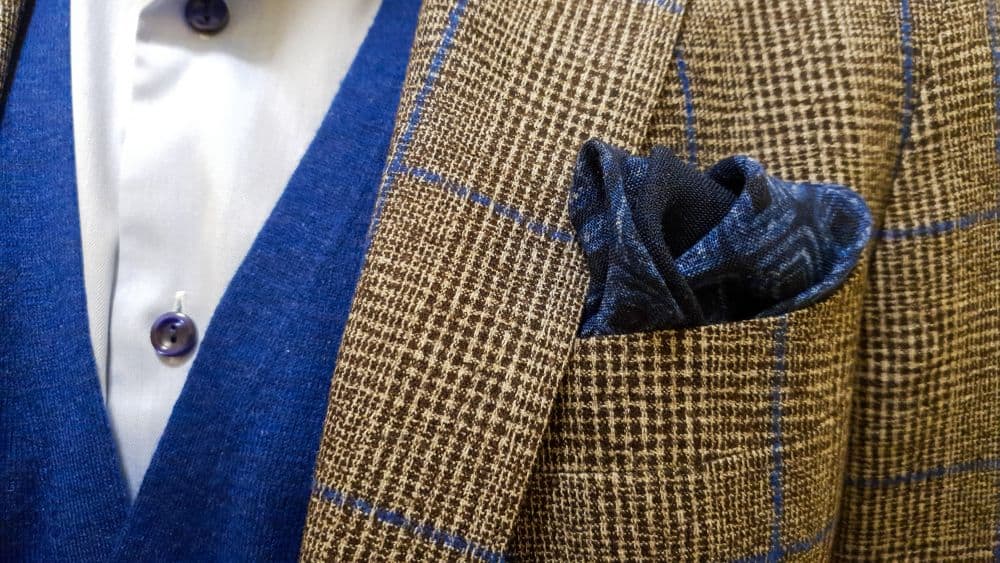
A wool suit is made from sheep fleece and remains the most popular fabric for tailored suits because of how versatile it is. Most people associate wool with cold weather, but lightweight wool is actually one of the strongest options for hot climates because it breathes well while maintaining a clean, structured look. Tropical wool varieties, including high-quality options from Italian mills like Vitale Barberis Canonico (VBC Fabric), are specifically woven with an open structure and lighter weight to handle warm conditions.
Wool keeps its shape throughout the day, resists wrinkles far better than linen, and feels comfortable in both outdoor heat and air-conditioned rooms. It looks more polished than linen by default, which makes it the go-to choice when you need to look sharp from a morning meeting through an evening event without changing clothes.
Linen Suit vs Wool Suit: A Side-by-Side Comparison
When comparing a linen suit vs wool suit for warm weather, the differences come down to five key areas. Here’s how they stack up.
| Factor | Linen | Wool |
|---|---|---|
| Cooling | Feels the coolest on hot days thanks to its loose, open weave | Not far behind, especially tropical varieties designed for warm climates |
| Wrinkles | Creases within the first hour and holds those wrinkles all day | Stays smooth and keeps its shape even after sitting for hours |
| Look | Relaxed and casual, great for the right setting but limited in formal contexts | Crisp and polished, works across business, formal, and smart-casual settings |
| Care | Needs regular steaming or pressing, especially after travel | Very little maintenance beyond hanging it properly overnight |
| Versatility | Best saved for the hottest months and casual occasions | Can be worn year-round across seasons and settings |
Practical Tips for Wearing a Suit in Tropical Weather
- Choose lighter colors. Beige, light gray, tan, and pale blue reflect sunlight and feel noticeably cooler outdoors. Save dark navy or charcoal for indoor, air-conditioned settings.
- Rotate your suits. Give each suit at least 24 hours of rest on a wide hanger between wears. Wearing the same one two days in a row traps moisture and shortens the fabric’s lifespan.
- Steam, don’t iron. Hang your suit overnight in a well-ventilated space and use a steamer to remove wrinkles. Direct heat from an iron can damage wool fibers and flatten linen’s natural texture.
Why Choose Perfect Tailor BKK
With over 25 years of tailoring experience in Bangkok, Perfect Tailor BKK carries a wide selection of hot weather fabrics including pure linen, lightweight wool, and breathable blends. Every suit is made to your exact measurements, with unlined or partially lined options available to keep you cool in tropical heat. Our tailors help you choose the right fabric, color, and cut based on your lifestyle and how you plan to wear the suit, whether that’s daily office wear, a destination wedding, or travel across Southeast Asia.
Visit our Bangkok suit tailor shop on Sukhumvit Road or book through perfecttailorbkk.com and let our team build you a suit with the best fabric for a hot weather suit that fits your body, your schedule, and the climate you live in.
References:
Frequently Asked Questions About Best Hot Weather Suit Fabric
Q: Is linen or wool better for a hot weather suit?
A: Linen is cooler and more breathable, making it ideal for outdoor events and casual settings in hot weather. Lightweight wool holds its shape better, resists wrinkles, and works across formal and informal occasions. The best choice depends on how polished you need to look and how much creasing you can tolerate.
Q: Does a wool suit work in tropical weather?
A: Yes, if it’s the right type of wool. Tropical wool and fresco wool are specifically designed for warm climates. They use a lighter, more open weave that allows airflow while still giving you the drape and structure that linen cannot always deliver. Mills like Vitale Barberis Canonico (VBC) produce tropical wool fabrics built for year-round wear in hot conditions.
Q: Why does linen wrinkle so much?
A: Linen fibers are naturally stiff and lack the elasticity of wool. When the fabric bends or creases, it holds that shape instead of bouncing back. This is why linen wrinkles within the first hour of wear. Some people embrace the look as part of linen’s relaxed character, while others prefer the cleaner lines that wool offers.
Q: Can I wear a linen suit to a business meeting?
A: It depends on the formality of the setting. A linen suit works well for business casual environments, creative industries, and outdoor meetings. For conservative corporate settings where a sharp, polished appearance is expected, lightweight wool is the safer choice because it stays wrinkle-free throughout the day.
Q: What is the best suit fabric for a Bangkok climate?
A: Lightweight wool, linen, and linen-wool blends all perform well in Bangkok’s heat and humidity. Tropical wool gives you the best balance of breathability and polish, while pure linen offers maximum cooling for casual settings. A tailor experienced in tropical climates can help you choose the right weight and construction.