




Knowing What Type of Fabric Should You Choose for a Shirt?
Key takeaway / Summary of topic answer
- The right shirt fabric affects comfort, durability, appearance, and how well it pairs with your wardrobe, making material choice as important as fit.
- Cotton remains the most versatile option, linen excels in hot climates, and blends balance practicality and breathability, while silk and performance fabrics suit specific occasions or needs.
- Shirt fabric should match climate, occasion, and suit formality, with expert guidance helping ensure cohesive wardrobe choices.
When commissioning a custom shirt, your decision on which fabric to use matters as much as the fit does. In fact, the material you select affects comfort throughout the day, durability over years of wear, visual appearance under different lighting, and how well the shirt pairs with the rest of your wardrobe. In short, a perfectly fitted shirt in the wrong fabric still falls short of its potential.
This guide breaks down what type of fabric you should choose for a shirt, covering options for both men and women, and explaining which materials work best under suits for various occasions.
What Type of Fabric Should You Choose for a Shirt?
The answer depends on several factors: your local climate, the occasions you’re dressing for, skin sensitivity, maintenance preferences, and budget. Natural fibers generally offer superior breathability and comfort, while blends can provide practical benefits like wrinkle resistance. Understanding the characteristics of each fabric helps you make informed decisions that serve your wardrobe for years.
Cotton
Cotton remains the gold standard for dress shirts, and for good reason. The fiber breathes well, feels soft against skin, and works across the full spectrum from casual to formal. Premium varieties like Egyptian, Pima, and Supima cotton feature extra-long staple fibers that produce smoother, stronger fabric with a subtle luster.
Then there’s the weave. Poplin (also called broadcloth) delivers a crisp, smooth surface ideal for formal settings, while Oxford cloth offers more texture and durability for business casual. Twill weaves will provide softness with subtle diagonal patterns and better wrinkle resistance than poplin.
For most climates, cotton handles temperature reasonably well. Lighter weaves work in warm weather, while heavier options like pinpoint oxford provide warmth in cooler months. If you can only choose one fabric for your custom shirts, quality cotton is the safest bet.
Linen
Linen excels in hot, humid environments like Bangkok. The flax-derived fiber is lightweight, highly breathable, and wicks moisture away from the body more effectively than cotton. Its distinctive textured appearance signals relaxed sophistication.
The trade-off is wrinkling. Linen creases easily and stays creased, which some view as a flaw and others embrace as part of the fabric’s character. If visible wrinkles bother you, linen may frustrate. If you accept them as inherent to the material, linen rewards you with unmatched comfort in tropical heat. Best suited for casual to smart-casual settings rather than formal business environments.
Cotton-Linen Blends
As you’d might expect, blending cotton with linen captures benefit of both fibers. You get much of linen’s breathability and cool hand-feel combined with cotton’s structure and wrinkle resistance. The result works well in tropical climates where pure linen feels too casual for the occasion.
Typical blends range from 60/40 to 80/20 cotton-to-linen ratios. Higher linen content means cooler wear but more wrinkling. Higher cotton content means better shape retention but slightly less breathability. For Bangkok’s climate, these blends often hit the practical sweet spot.
Silk and Silk Blends
Silk delivers luxurious drape, a subtle natural sheen, and a remarkably soft hand-feel. The fiber also regulates temperature well, keeping you cool in summer and warm in winter. These qualities make silk shirts appropriate for evening wear, special occasions, and high-profile business settings where you want to project refined elegance.
Pure silk requires careful handling and professional cleaning, which does limit its practicality for everyday wear. Silk-cotton blends overcome that via the smooth feel and subtle luster of silk mixed with cotton’s durability and easier maintenance. Reserve silk shirts for occasions that warrant the extra care they demand.
Performance and Synthetic Blends
Polyester blends and performance fabrics offer wrinkle resistance, stretch, and easy care that natural fibers cannot match. These are popular with frequent travelers and those who prioritize low-maintenance wardrobes.
The compromise involves breathability. Synthetics trap heat and moisture more than cotton or linen, which can become uncomfortable during long days or in warm climates. They also lack the refined appearance of natural fibers when examined closely. Performance blends work for specific situations but shouldn’t replace quality cotton or linen as wardrobe foundations.
Fabric Considerations for Men vs. Women
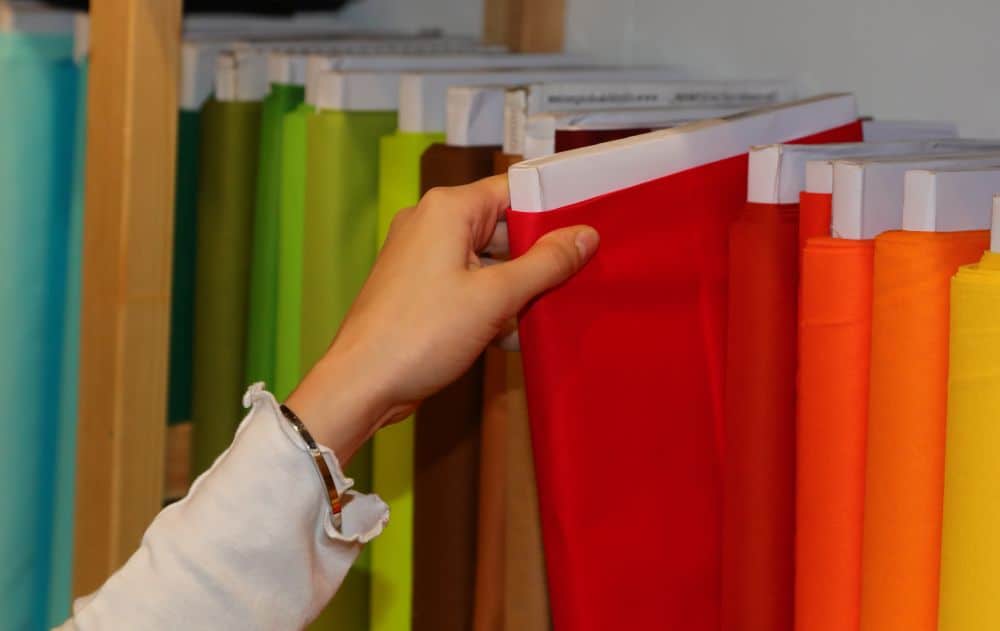
What type of fabric you should choose for men’s and women’s shirts varies somewhat, though the core principles remain consistent. Both benefit from breathable, quality materials that feel comfortable against skin and maintain their appearance through repeated wear.
Women’s blouses often favor lighter fabric weights, softer drapes, and silk or silk-blend materials more frequently than men’s shirts. The flowing silhouettes common in women’s tailoring pair naturally with fabrics that move gracefully. Men’s dress shirts typically lean toward structured cotton weaves that hold their shape under jackets and maintain crisp collars throughout the day.
That said, these are tendencies rather than rules. The best fabric for any shirt depends on the specific garment’s design, intended use, and the wearer’s preferences.
What Type of Fabric Should You Choose with a Suit?
Choosing the right shirt fabric to pair with a suit requires matching formality levels between the two garments. A general principle: smoother, finer shirt fabrics pair with sharper, more formal suits, while textured shirts complement casual suiting.
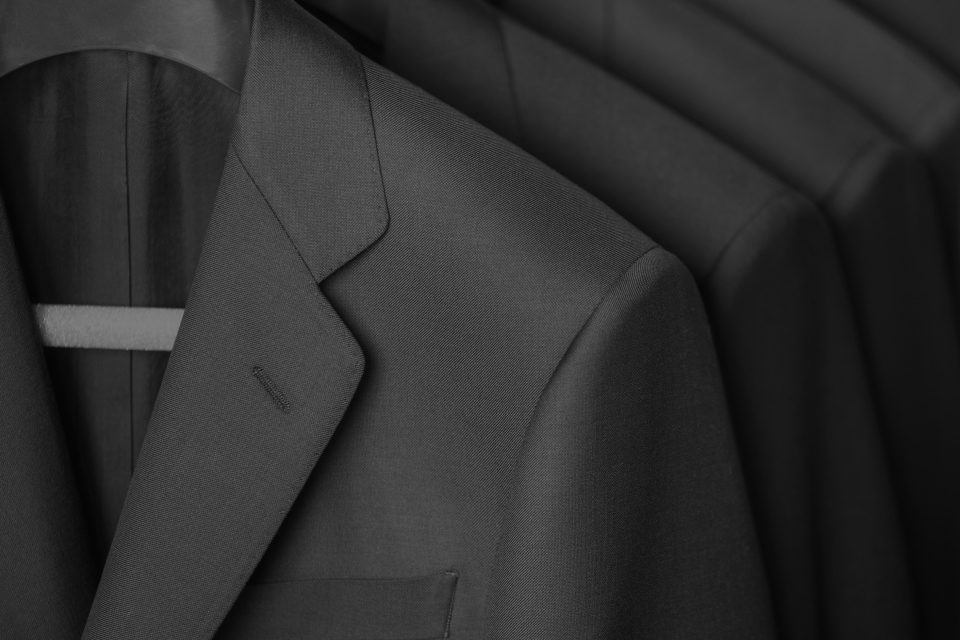
For formal business suits in worsted wool, reach for crisp cotton poplin or broadcloth. These smooth, tightly woven fabrics project professionalism and photograph well. For smart-casual blazer combinations, textured weaves like oxford cloth or subtle twill add visual interest without looking out of place. Under unstructured summer suits or linen blazers, linen or cotton-linen blend shirts feel natural and seasonally appropriate.
Avoid shiny synthetic fabrics under wool suits. The contrast in quality becomes immediately apparent and undermines the suit’s sophistication. When in doubt, a well-made cotton shirt in white or light blue pairs appropriately with virtually any suit.
How Perfect Tailor Helps You Look Your Best
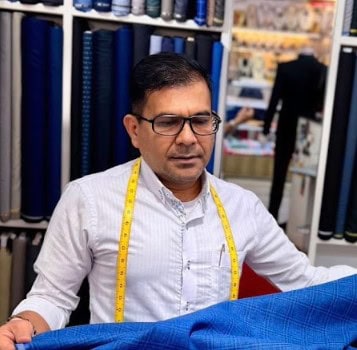
Not everyone knows which fabrics they need or prefer, but navigating the variety of options becomes straightforward with expert guidance. Perfect Tailor maintains an extensive fabric library featuring premium cottons, linens, blends, and specialty materials suited to Bangkok’s climate and international business standards. Whether you are looking for a linen suit tailor in Bangkok, Thailand, or are interested in any custom-made clothing, you can design what you need at Perfect Tailor.
During a consultation with us, our tailors will assess your wardrobe needs, discuss the occasions you’re dressing for, and recommend fabric weights, weaves, and colors that complement your existing suits and jackets. Custom shirts are made to your exact measurements alongside suits, blazers, and trousers, ensuring every piece works together as a cohesive wardrobe.
There’s no other custom tailor made suit shop in Bangkok with the expertise and knowledge to help all men and women look their best. Book a consultation at Perfect Tailor to explore our shirt fabric collection and experience the difference that quality materials and expert tailoring make.
References:
- Men’s Dress Shirt Fabrics: Everything You Need to Know. (2025, February 28). xSuit. Retrieved February 26, 2026, from https://xsuit.com/blogs/news/men-s-dress-shirt-fabrics-everything-you-need-to-know
- 15 Most Common & Trendy Dress Shirt Fabrics. (2022, May 20). Suits Expert. Retrieved February 26, 2026, from https://www.suitsexpert.com/blog/dress-shirt-fabrics/
Frequently Asked Questions
Q: What is the best fabric for a custom dress shirt?
A: High-quality cotton is generally the safest and most versatile option, offering breathability, comfort, and suitability for both formal and casual settings.
Q: Is linen a good fabric for shirts in hot climates?
A: Yes, linen is lightweight, breathable, and excellent at wicking moisture, making it ideal for hot and humid climates, though it wrinkles easily.
Q: Are cotton-linen blends better than pure linen?
A: Cotton-linen blends reduce wrinkling while maintaining much of linen’s breathability, making them a practical choice for tropical environments.
Q: When should you choose silk for a shirt?
A: Silk or silk blends work best for evening wear, special occasions, or refined business settings where drape and subtle sheen enhance elegance.
Q: Are synthetic shirt fabrics suitable for daily wear?
A: Performance and polyester blends offer wrinkle resistance and easy care, but they are generally less breathable and refined than natural fibers.
Q: What shirt fabric works best under a formal suit?
A: Crisp cotton poplin or broadcloth pairs best with formal worsted wool suits due to its smooth texture and professional appearance.
Q: Do men and women need different shirt fabrics?
A: The core principles are the same, but women’s shirts often favor lighter weights and softer drapes, while men’s dress shirts typically use more structured cotton weaves.