




Understanding Super Wool: From 100s to 150s
Key Takeaways
- Super wool grades indicate fiber fineness measured in microns, with higher numbers meaning thinner, softer wool
- Super 100s and 120s are the most practical choices for everyday suits, offering a strong balance of comfort and durability
- Super 130s and 140s work well for business events, weddings, and occasions where you want a more refined look
- Super 150s delivers exceptional softness and drape but is more delicate, making it best suited for special occasions
- The mill and construction quality matter just as much as the Super number when it comes to how a suit performs over time
- A good tailor recommends the right fabric grade based on your lifestyle, not just the highest price tag
If you have ever shopped for a suit, you have probably seen labels like Super 100s, 120s, or 150s and wondered what they actually mean. So what is super wool? In simple terms, the “Super” number tells you how fine each strand of wool is, measured in microns. A higher number means a thinner fiber, which translates to a softer feel, smoother drape, and a more polished appearance. But finer is not always better. The right grade depends on how often you wear suits, what occasions you wear them for, and how much durability you need. This guide walks you through each grade, from the reliable Super 100s to the luxurious 150s, so you can make a confident decision the next time you invest in a suit.
What Is Super Wool?
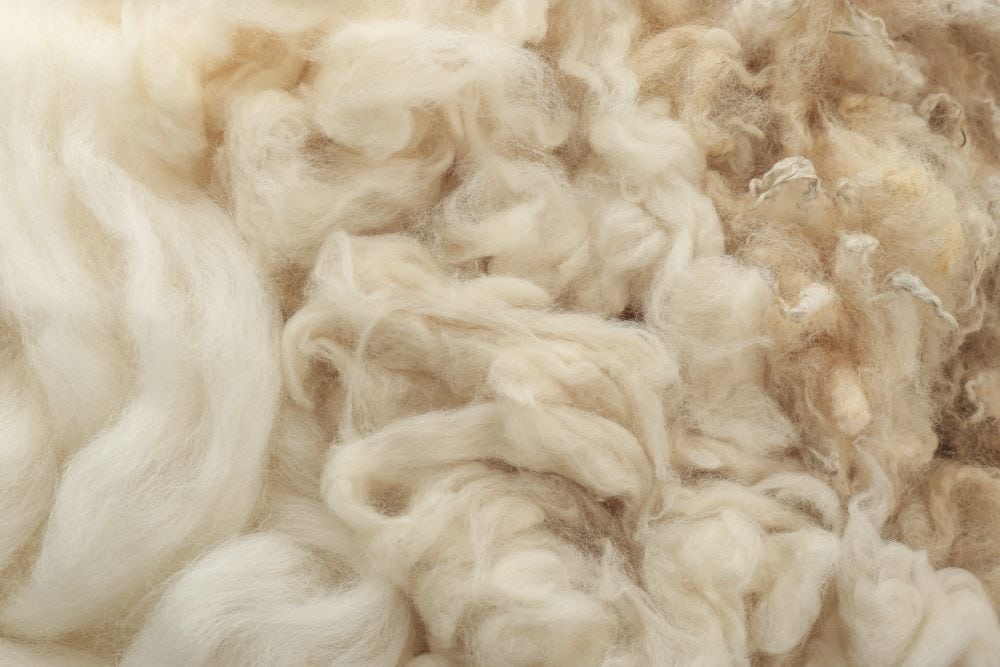
Super wool is a classification system for fine wool fabrics, standardized by the International Wool Textile Organisation (IWTO). The number printed on the fabric label refers to the maximum thickness of each wool fiber, measured in microns, which is one millionth of a meter. For context, a human hair is roughly 50 to 100 microns thick. Fine suiting wool typically sits between 16 and 19 microns.
The higher the Super number, the thinner and finer the wool. Thinner fibers feel smoother against your skin and produce a fabric with a more refined sheen and softer hand. Think of the difference between a coarse wool sweater and a fine cashmere scarf. Both are wool, but the finer fibers feel lighter and more comfortable. One common mix-up worth clearing up: Super numbers have nothing to do with thread count like bedsheets. They describe fiber fineness only. The system typically ranges from Super 80s up to Super 250s, with most suits falling somewhere between 100s and 150s.
Super 100s vs 120s: Which One Fits Daily Life?
When comparing Super 100s vs 120s, both sit in the sweet spot for practical, everyday suits. Super 100s is the most common choice for work suits and regular wear. It is soft enough to feel comfortable all day, durable enough to handle frequent use, and does not show wear too quickly. If you are building your first suit or need something reliable for the office, this is where most tailors will start.
Super 120s steps it up slightly. The fabric feels a touch smoother and has a more refined appearance, which makes it a popular choice for professionals who want their suits to look a bit sharper without sacrificing practicality. It is still sturdy enough for office wear but offers that extra level of polish you notice in well-dressed rooms. For most people building their first or second suit, either option delivers excellent value and comfort for years.
What About Super 130s and 140s?
Super 130s and 140s sit in between everyday and luxury. The fabric feels noticeably softer than a 120s, with a subtle sheen that photographs well and looks impressive in formal settings. These grades work well for business dinners, client meetings, weddings you are attending as a guest, or any event where you want to look a step above your usual standard. They still hold their shape reasonably well throughout the day, which makes them a solid upgrade when you are ready to add a dressier option to your wardrobe. If you already own a reliable 100s or 120s suit for daily use, a 130s or 140s fills the gap between your everyday rotation and a special-occasion piece.
Is a Super 150s Suit Good or Too Delicate?
A Super 150s suit feels incredibly smooth against the skin and drapes beautifully for a clean, elegant silhouette. Whether a Super 150s suit is good for you depends entirely on how you plan to use it. For weddings, galas, important celebrations, and events where appearance is everything, it is hard to beat. The fabric has a natural sheen and a fluid movement that lower grades simply cannot match.
The trade-off is durability. Finer wool wrinkles more easily, needs more careful storage, and does not hold up well to daily wear or frequent travel. If you sit in the same suit five days a week or toss it into a suitcase regularly, a Super 150s will show wear faster than you would like. If you want a showpiece suit for big moments, 150s is worth the investment. If you need a suit that can handle the office three times a week, stick with 100s or 120s and save the finer grades for occasions that call for them.
How to Choose the Right Super Wool for You
Start with how often you will wear the suit. For daily or weekly use, Super 100s or 120s gives you the best balance of comfort and durability. For events and formal occasions that happen a few times a year, 130s to 150s delivers a noticeable step up in look and feel.
Match the suit to the occasion. A sharp, durable suit for work serves a completely different purpose than a soft, elegant suit for your wedding day. Trying to make one suit do both jobs usually means compromising on one end. It is worth having at least two grades in your wardrobe if you wear suits regularly.
Keep in mind that the mill and construction quality matter just as much as the Super number itself. A well-made Super 120s from a respected mill will often outperform a poorly constructed Super 150s. The weave, the yarn ply, and how the suit is assembled all affect the final result. When in doubt, ask your tailor. A good tailor recommends fabric based on your lifestyle and needs, not just the highest number on the shelf.
How to Care for Your Super Wool Suit
Always hang your suit on a wide, shaped hanger to keep the shoulders in proper form. Let it rest for at least 24 hours between wears so the fabric can recover and release any creases naturally. Avoid dry cleaning too often as the chemicals can break down wool fibers over time. For day-to-day maintenance, spot clean small marks and use a steamer to refresh the suit rather than ironing it directly. Higher Super grades like 150s need extra care. Store them in a breathable garment bag, avoid folding them for travel when possible, and give them more rest days between wears. Good habits can keep a premium suit looking sharp for years.
Beat the Heat in a Suit Tailored to You
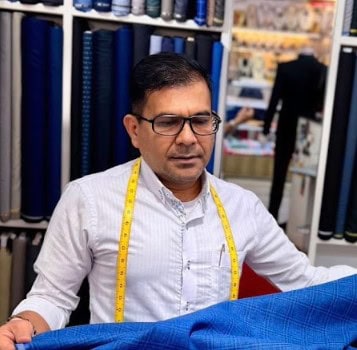
With over 25 years of tailoring experience, Perfect Tailor carries a wide selection of wool fabrics across different Super grades, weights, and colors. Our tailors walk you through every option and help you pick the right fabric for your body, budget, and occasion. Every suit is made to your exact measurements with careful fittings to ensure the fit feels comfortable and looks right from every angle. Clients visit us from around the world for honest advice, quality craftsmanship, and suits that last well beyond their first season.
Visit Perfect Tailor on Sukhumvit Road or book through perfecttailorbkk.com and let our custom tailors in Bangkok help you choose the right Super wool grade and fit for your lifestyle. Whether you need a durable everyday suit or something exceptional for a once-in-a-lifetime event, we’ll make sure you walk out with the right fabric and the right construction for your needs.
References:
Frequently Asked Questions About Super Wool
Q: What does the Super number on a suit mean?
A: The Super number indicates how fine the wool fibers are, measured in microns. A higher number means thinner, softer fibers. Super 100s has a maximum fiber diameter of about 18.75 microns, while Super 150s sit around 16.25 microns. The system is standardized by the International Wool Textile Organisation (IWTO).
Q: Is Super 100s or 120s better for everyday wear?
A: Both work well for daily use. Super 100s is the more durable option and handles frequent wear without showing signs of age too quickly. Super 120s feels slightly smoother and looks a bit more refined while still being practical enough for office wear. Either is a strong choice for a first or second suit.
Q: Is a Super 150s suit worth buying?
A: It depends on how you plan to use it. For weddings, formal events, and special occasions, Super 150s offers exceptional softness and drape that lower grades cannot match. For daily or weekly office wear, it is too delicate. The finer fibers wrinkle more easily and wear out faster with regular use.
Q: Does a higher Super number always mean a better suit?
A: Not necessarily. A higher Super number means finer, softer wool, but it also means the fabric is more delicate and less durable. The mill quality, yarn ply, weave, and construction of the suit all affect performance. A well-made Super 120s can easily outperform a poorly constructed Super 150s.
Q: How should I care for a high-grade Super wool suit?
A: Hang it on a wide, shaped hanger and let it rest for at least 24 hours between wears. Avoid frequent dry cleaning. Spot clean small marks and use a steamer instead of an iron. Store higher grades like Super 150s in a breathable garment bag and give them extra rest days between uses.