





The Three-Piece Suit: A Complete Style Guide
Key Takeaways
- A three-piece suit is a matched set of jacket, trousers, and waistcoat cut from the same fabric. Pairing a random vest with a regular suit does not qualify as a true three-piece.
- The waistcoat should sit close to the body, cover the trouser waistband fully, and always have the bottom button left undone to allow the fabric to drape naturally.
- Three-piece suits are best suited for weddings, formal business events, and evening occasions where a standard two-piece feels a step too plain.
- In warmer climates, lightweight wool or tropical-weight cloth with partial lining keeps a three-piece breathable without losing its shape or structure.
A three-piece suit adds a waistcoat to the standard jacket and trousers, turning a regular suit into something more refined and deliberate. This three-piece suit has been a staple in men’s fashion since the 18th century. Despite numerous fashion shifts, it endures because it offers a level of structure and refinement that a two-piece suit can’t match, enhancing the outfit’s appearance from all sides. The waistcoat, though seemingly minor, significantly impacts the suit’s overall appearance and comfort.
What Is a Three-Piece Suit?
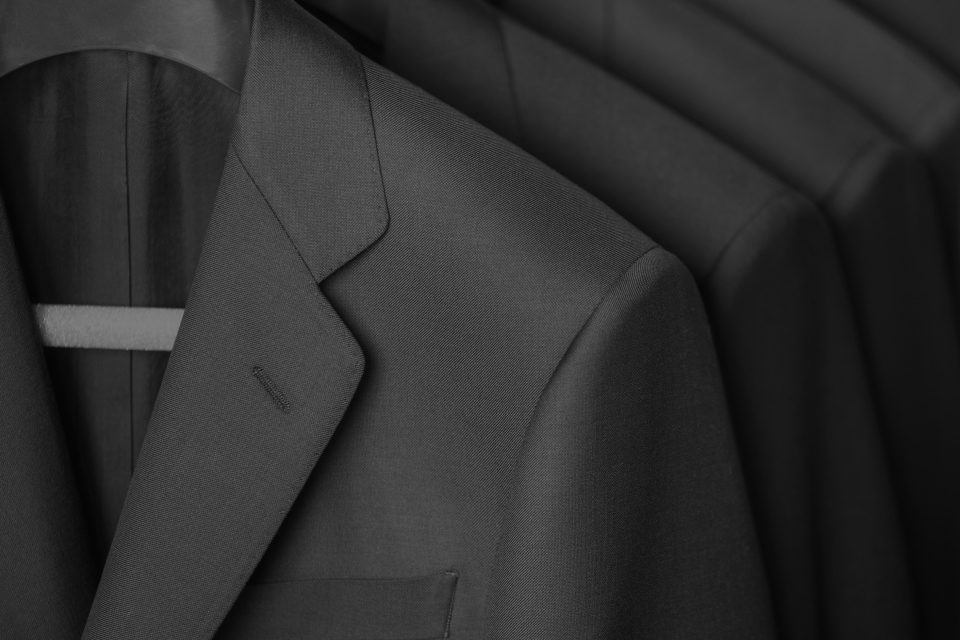
A three-piece suit is a matching set of three garments: a jacket, trousers, and a waistcoat (also called a vest), all cut from the same fabric and lining. The waistcoat sits between the shirt and the jacket, adding a visible layer that fills the gap at the chest when the jacket is open or removed.
Adding any random vest to a regular suit does not make it a three-piece. The waistcoat has to match the jacket and trousers in cloth and color. An odd vest can look good on its own terms, but it is a different outfit entirely.
The same logic applies to blazers. A blazer is a standalone jacket worn with separate trousers, so even though it looks similar to a suit jacket, it is not part of a matched set. The distinction between a blazer vs suit comes down to how the fabric and cut are designed to work together, and understanding that difference helps when deciding what to wear for a given occasion.
2-Piece vs 3-Piece Suit: Which Should You Choose?
A two-piece suit is the everyday workhorse. It is lighter, cooler, and works for office wear, client meetings, and most business settings without feeling overdone. For the majority of men, a well-fitted two-piece in navy or charcoal covers most of what they need a suit for.
A three-piece adds formality. The waistcoat creates a cleaner line through the torso and adds visual depth to the outfit, which is why three-piece suits tend to photograph well and carry more presence in a room. It also gives you the option to remove the jacket at a reception or event and still look polished, something a two-piece cannot offer in the same way.
If you only own one suit, a two-piece is the more practical choice. A three-piece is the one to add when your wardrobe needs something with more weight for the occasions that call for it.
When Should You Wear a Three-Piece Suit?
A three-piece suit works well in any setting where a two-piece feels like it could use one more level of polish. The most common occasions include:
- Weddings: Whether you are the groom, in the wedding party, or attending as a guest, the waistcoat gives you a dressed-up look that stands apart from a standard suit without going as far as a tuxedo.
- Formal business events: Important presentations, client pitches, and high-stakes meetings where projecting authority and attention to detail matters.
- Evening events and gala dinners: The extra layer pairs naturally with dressier accessories like silk ties and coordinated pocket squares and looks more intentional for events with a stricter dress code.
- Personal style: Some men simply enjoy a more polished, tailored look and wear a three-piece to elevate a standard two-piece whenever the day feels like it calls for it.
How to Wear a Three-Piece Suit Well
The waistcoat has its own set of fit rules that are worth getting right. A poorly fitted waistcoat can make the entire suit look off, so these details matter:
- Fit: The waistcoat should sit close to the body without pulling at the buttons. It must cover the trouser waistband completely so no shirt is visible between the vest and the trousers.
- Bottom button: Always leave it undone. This is a traditional rule that prevents the fabric from bunching at the front when you sit or move. The rest of the buttons should close cleanly without strain.
- Jacket and trousers: They still need to fit properly across the shoulders, chest, sleeves, and trouser length. A well-fitted waistcoat cannot save a suit that pulls at the shoulders or sits too loose in the body. Understanding how your suit should fit across every part of the body is just as important with a three-piece as it is with a two-piece.
- Accessories: Pair with a plain or subtly patterned shirt, a classic silk tie, leather shoes, and a coordinated pocket square. Keep things simple. The waistcoat already adds enough visual weight on its own.
Making a Three-Piece Work in Bangkok
Bangkok’s heat does not rule out a three-piece suit, but it does change how you approach the fabric and construction. Heavyweight wool will feel uncomfortable within minutes. Lightweight wool or tropical-weight cloth with partial lining keeps the suit breathable while holding the shape and structure a three-piece needs to look right. Half-lined or quarter-lined waistcoats also help reduce the bulk without losing the clean silhouette.
You can also have a suit made with an optional matching waistcoat, so the same suit works as a two-piece on regular days and a three-piece for bigger occasions. It is a practical way to get more range out of a single suit without doubling your wardrobe.
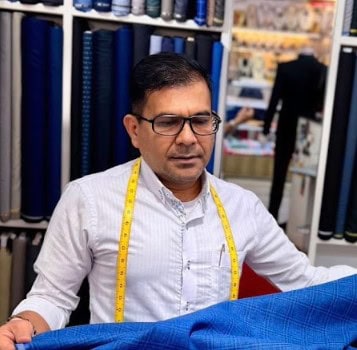
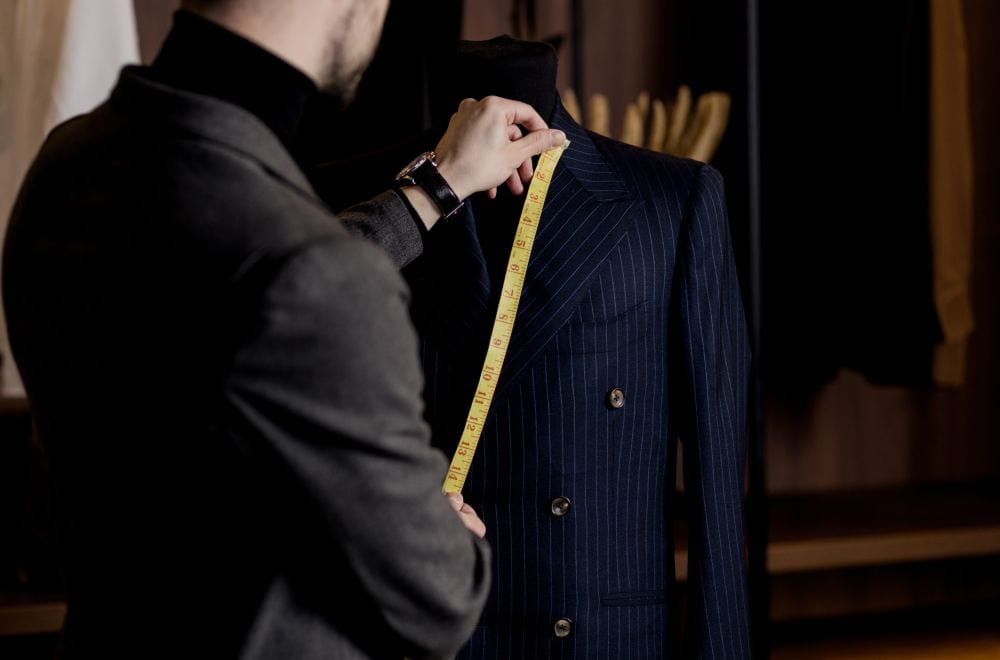
Founded over 25 years ago on Sukhumvit Road, Perfect Tailor BKK has established itself as one of the most reputable tailored suit shops in Bangkok by combining high-quality fabrics with exceptional workmanship. Every three-piece suit is built to the wearer’s exact measurements, with the fabric weight, lining, and construction chosen to match how and where the suit will actually be worn.
References
- How to Wear a Suit: Types of Suits and Styling Tips. Retrieved 6 July, 2026 from https://www.masterclass.com/articles/how-to-wear-a-suit
Frequently Asked Questions About Three-Piece Suits
Q: What makes a suit a three-piece suit?
A: A three-piece suit includes a jacket, trousers, and a waistcoat, all made from the same fabric. The matching waistcoat is what separates it from a standard two-piece. Adding a non-matching vest to a regular suit does not count as a true three-piece.
Q: Is a three-piece suit too formal for everyday wear?
A: For most office settings and daily business wear, a two-piece suit is the more practical choice. A three-piece is better suited for weddings, formal events, important presentations, and occasions where you want to project a sharper, more polished presence.
Q: Should the bottom button of the waistcoat be buttoned?
A: No. The bottom button of a single-breasted waistcoat should always be left undone. This is a long-standing tradition that prevents the fabric from bunching when you sit or move, and it helps the vest drape naturally.
Q: Can you wear a three-piece suit in a warm climate?
A: Yes, with the right fabric and construction. Lightweight wool or tropical-weight cloth with partial lining keeps a three-piece breathable in warm conditions. Many men in Bangkok have three-piece suits made for evening events, weddings, and indoor occasions.