





How To Fold A Suit For Travel Like A Pro And Arrive Wrinkle-Free
Key Highlights
- The inside-out fold, garment bag fold, and roll method are the three most reliable ways to pack a suit jacket without creasing the outer fabric.
- Suit trousers should always be folded along the existing crease line to maintain their pressed shape during travel.
- Packing your suit last and placing it on top of everything else in your luggage significantly reduces compression wrinkles.
- A carry-on with a built-in garment compartment or structured divider offers the best protection for compact travel.
- Hanging your suit immediately on arrival and using the bathroom steam trick are the fastest ways to release light travel creases.
- Well-constructed, bespoke suits made from quality fabrics recover from folding far better than off-the-rack alternatives.
Figuring out how to fold a suit to put in a suitcase without ending up with deep creases at the other end is something every traveler has struggled with at least once. You have spent time and money on a sharp outfit, maybe even investing in tailor made suits for men built to your exact measurements, and the last thing you want is for it to look like it was balled up in a backpack by the time you land.
This step-by-step guide walks through three trusted jacket folding methods, the correct way to handle trousers, when to choose a carry-on over a checked bag, and a handful of tricks that seasoned travelers swear by. It applies to business trips, destination weddings, formal events abroad and any situation where you need to look put-together after a flight.
Three Ways to Fold a Suit Jacket for Packing
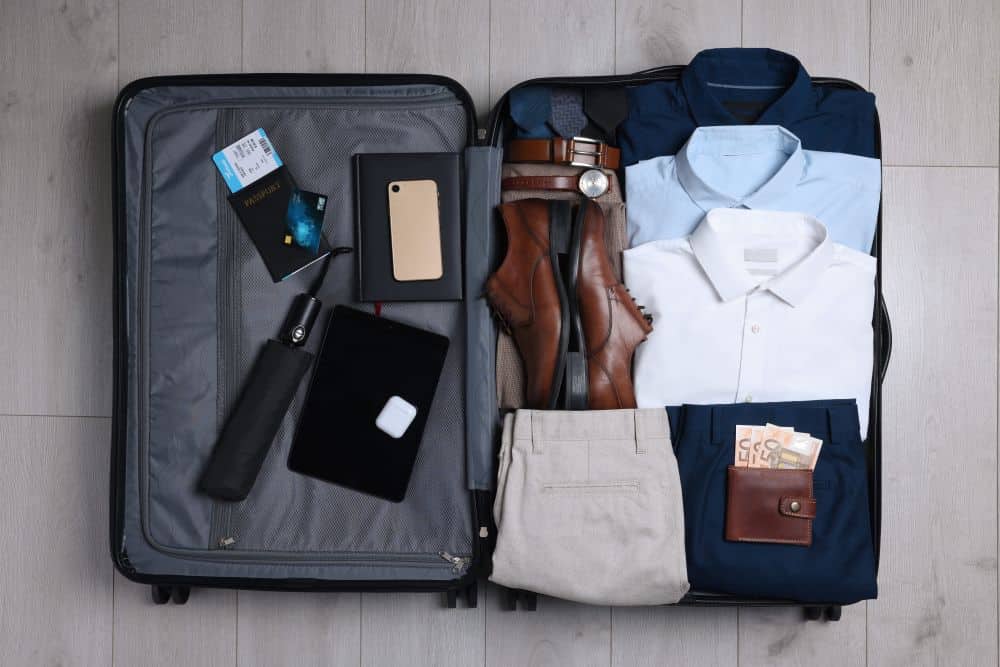
Not every folding method works for every jacket. The best approach depends on your fabric type, luggage size, and how formal the event is when you arrive. Here are three proven techniques.
The Inside-Out Method
This is the most widely recommended technique among tailors and frequent travelers. It works because the jacket’s lining, not the outer fabric, absorbs the friction and pressure inside your bag.
- Hold the jacket facing you and pop the collar up to protect its shape.
- Reach into one shoulder and flip the fabric to turn it completely inside out.
- Tuck the other shoulder into the inside-out shoulder so that both shoulders nest together with the lining facing outward.
- Fold the jacket in half lengthwise so the bottom hem meets the collar.
- Place tissue paper or a thin plastic dry-cleaning bag between the folds to reduce friction.
This is the go-to technique for anyone learning how to fold a suit to travel with minimal creasing. It works especially well with structured, canvassed jackets.
The Garment Bag Fold
If you have a lightweight garment bag from the dry cleaner or a travel-specific version, this method adds a protective layer.
- Place the jacket on a hanger and slip it inside the garment bag.
- Zip or tie the bag closed.
- Fold the bag in half at the waist so the hanger sits at one end and the jacket bottom at the other.
- Place it flat in your suitcase on top of everything else.
The plastic or nylon shell of the bag lets the jacket shift slightly during transit without creating hard creases. This is a strong option for checked luggage, where you have more room.
The Roll Method
Best reserved for soft, unstructured blazers or casual suit jackets made from fabrics like cotton or jersey.
- Lay the jacket face-down on a flat surface.
- Fold both sleeves across the back so they form a straight line.
- Starting from the bottom hem, gently roll the jacket upward toward the collar.
- Avoid rolling too tightly. A loose roll prevents deep creases from forming.
This method saves the most space, making it useful for anyone figuring out how to fold a suit to fit in a carry on with limited room. It is not ideal for stiff wool or heavy formal jackets, as the roll can distort the shoulders.
Packing Suit Trousers the Right Way
Trousers are easier to manage than jackets, but a careless fold can leave you with stubborn creases at the knees that no amount of steaming will fix quickly.
The simplest and most effective approach starts with the existing crease. Fold the trousers along the front crease line so both legs sit directly on top of each other. This preserves the pressed look that was built into the garment. Then fold the trousers in half horizontally, bringing the hem up to the waistband. Place them flat either on top of the folded jacket or directly over a layer of soft clothing.
An alternative that offers extra protection is to drape the trousers over the folded jacket before wrapping everything together as a single bundle. This adds padding around the jacket while keeping the trousers from shifting inside the bag.
Avoid folding trousers into small squares or thirds. The more fold lines you create, the harder they are to remove. Two folds is the maximum you should need.
Suitcase, Carry-On or Garment Bag?
Your luggage selection is nearly as important as your packing method. Each option has trade-offs.
Checked Suitcase:
You have more space, which means your suit can lie flatter with fewer folds. Place it on top of all your other items so it faces the least compression. Hard-shell suitcases with rigid sides offer the best protection against external pressure.
Carry-on Bag:
Space is tighter, so a compact fold is essential. The inside-out method works best here. Use packing cubes to separate the suit from shoes and heavier items. If your carry-on has a built-in garment compartment or suiter panel, use it. These features were designed specifically for this purpose and they make a real difference. This is the ideal setup for anyone wondering how to fold a suit to fit in a carry on without sacrificing the jacket’s shape.
Garment Bag:
This remains the gold standard for wrinkle-free suit travel. A tri-fold garment bag fits into most overhead bins and allows the suit to hang or lie flat with minimal folding. If you travel with suits regularly, a dedicated garment bag is worth the investment.
One rule that applies to all three options: pack your suit last. It should always sit on top and face the least weight and pressure from everything else in your luggage.
Pro Tips to Keep Your Suit Sharp in Transit
Even with the best folding technique, travel is unpredictable. These additional steps can mean the difference between a suit that needs a quick shake-out and one that needs professional pressing.
- Unpack and hang your suit immediately on arrival. The sooner the fabric can relax and breathe, the faster minor creases will fall out on their own. Quality wool especially responds well to hanging.
- Use the bathroom steam trick. Hang your suit in the bathroom and run a hot shower for 10 to 15 minutes with the door closed. The steam relaxes the fibers and releases light wrinkles without needing an iron.
- Pack a portable garment steamer. If you travel with suits frequently, a compact handheld steamer is one of the most practical accessories you can own. Many weigh under a pound and fit easily in a carry-on.
- Stuff the jacket shoulders. Roll a pair of clean socks or ball up tissue paper and place it inside each shoulder before packing. This helps the shoulders hold their three-dimensional shape during transit.
- Never place shoes or heavy items on top of your suit. Keep shoes in a separate compartment, shoe bag or at the opposite end of the suitcase.
- Use dry-cleaning bags between layers. The slippery surface of plastic bags reduces friction between garments, which is one of the main causes of packing creases.
- If all else fails, ask for help. Most hotels offer pressing or steaming services on request, sometimes complimentary for guests. Knowing how to fold a suit to travel gets you most of the way there, but a quick press before a big event is always a good backup plan.
It All Starts With the Right Suit
Here is something most packing guides skip over: the suit itself plays a huge role in how well it survives a trip. A well-constructed suit with proper canvas construction holds its shape better during travel and bounces back from folding far more easily than a fused, off-the-rack alternative. The fabric matters too. Natural fibers like wool, wool blends, and high-twist yarns are naturally resilient and wrinkle-resistant. Cheap synthetics tend to crease sharply and hold those creases stubbornly.
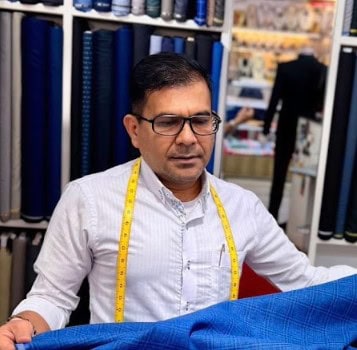
Perfect Tailor in Bangkok specializes in bespoke and made-to-measure suits crafted from premium wool, cotton, linen, cashmere, and silk blends. Every garment is built to fit your exact body, which means no excess fabric bunching at the waist, pulling at the shoulders, or pooling at the trouser hem. Less excess fabric means fewer areas prone to creasing during packing.
Located at MBK Center on Sukhumvit Road and accessible by BTS, Perfect Tailor offers a full-service experience with expert consultations, precise measurements, and a wide selection of high-quality fabrics. Our tailor made suits for men are designed to look sharp in the fitting room and after a long-haul flight. If you are visiting Bangkok or planning a trip, a custom suit from their shop is an investment that pays off every time you pack for the next one.
Pack Smart, Travel Sharp
Knowing how to fold a suit to put in a suitcase the right way takes a few minutes of practice and saves hours of frustration at your destination. Pair the right folding technique with smart luggage choices and a well-made suit, and wrinkles stop being a problem you need to worry about.
Book a fitting at Perfect Tailor Bangkok through perfecttailorbkk.com or visit our Sukhumvit Road location to get measured for a suit that is built to travel as well as you do.
References:
- How to Pack a Suit for Travel Without Wrinkling It. (n.d.). Oliver Wicks. Retrieved February 28, 2026, from https://www.oliverwicks.com/article/how-to-pack-suit
- How to Pack a Suit in a Carry-On. (n.d.). Briggs & Riley. Retrieved February 28, 2026, from https://www.briggs-riley.com/blogs/travel-source/how-to-pack-a-suit-in-a-carry-on
- How to Pack a Suit in a Suitcase. (n.d.). Carl Friedrik. Retrieved February 28, 2026, from https://www.carlfriedrik.com/magazine/how-to-pack-a-suit-in-a-suitcase
- How to Pack Your Suit for Travel. (n.d.). The Black Tux. Retrieved February 28, 2026, from https://theblacktux.com/blogs/guides/pack-suit-travel
Frequently Asked Questions
Q: Can you pack a suit in a backpack without ruining it?
A: Yes, but only if the backpack has a flat, structured compartment. Use the inside-out fold, wrap the jacket in a plastic bag and place it against the back panel where it will face the least compression.
Q: What is the best fabric for a travel suit?
A: High-twist wool and wool-blend fabrics are the most travel-friendly. They resist wrinkles naturally and recover quickly after being folded. Linen wrinkles easily and is best avoided for trips where appearance matters immediately on arrival.
Q: Should you button a suit jacket before folding it for travel?
A: No. Unbutton the jacket completely before folding. Fastened buttons create tension points in the fabric that lead to deeper creases around the chest and waist area.
Q: How do you remove deep wrinkles from a suit without an iron?
A: Hang the suit in a steamy bathroom for 10 to 15 minutes or use a handheld garment steamer. Avoid pressing a hot iron directly on suit fabric as it can scorch or leave shine marks, especially on wool.
Q: Is it better to wear your suit on the plane or pack it?
A: For short flights under three hours, wearing the jacket and draping it over your lap works well. For longer flights, packing it properly in your carry-on or using a garment bag is more practical and comfortable.
Q: How far in advance should you unpack a suit before an event?
A: Ideally, hang your suit at least a few hours before you need to wear it. Overnight is best. This gives the fabric time to relax and lets gravity pull out any minor creases that formed during travel.