
What to Wear to a Job Interview When You’re Unsure
Key Takeaways
- There is no single interview outfit, since the right choice depends on the employer, the role, and the dress code they actually keep.
- When you cannot confirm the dress code, dress one step above what you presume the office culture to be.
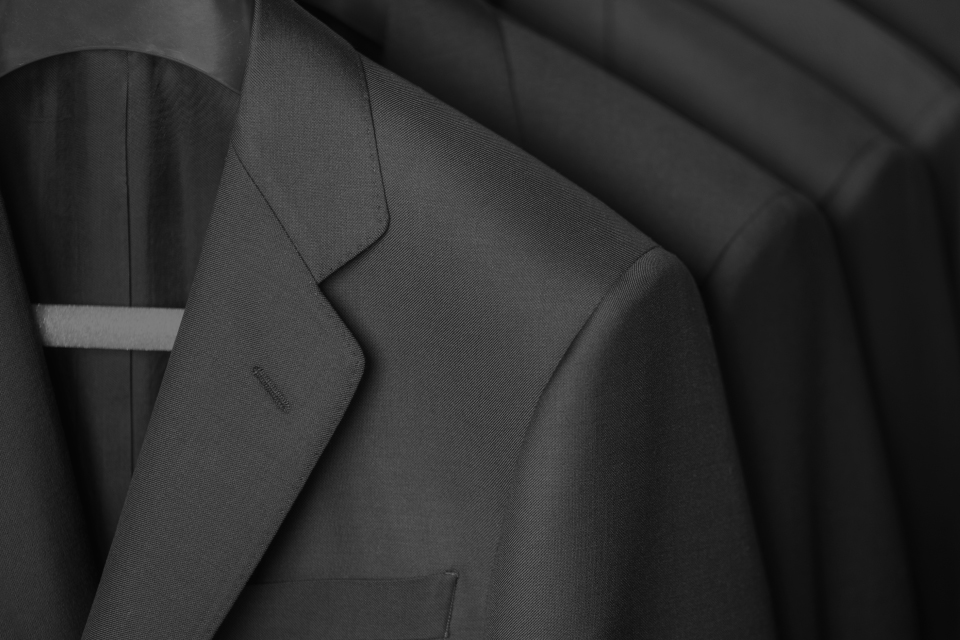
- Smart separates with a tailored blazer are the safest default, because the blazer stays on in a formal room and comes off in a casual one.
- Fit and comfort matter as much as the outfit, so sit, walk, and reach in the full outfit before interview day.
- A video interview follows the same dress code as an in-person one, with a camera preview beforehand.
The best interview outfit depends on the employer’s dress code and industry. For most corporate interviews, business casual or business formal attire is appropriate. When you’re unsure, dress one step more professionally than the company’s everyday workplace attire.
What to wear to an interview depends on the employer’s dress code and industry. For most corporate interviews, business casual or business formal attire is appropriate. When you’re unsure, dress one step more professionally than the company’s everyday workplace attire.
Check the Employer’s Dress Code First
Work out what to wear to a job interview before you start pulling clothes out of the wardrobe, because the answer usually sits in plain sight. Guessing is what leads candidates to arrive in a full suit at a studio where nobody owns one, or in chinos at a firm where everyone wears a tie. Three checks settle it in about ten minutes:
- Read the invitation: Many employers mention expected attire directly in the email, and that line settles the question on its own.
- Check the careers page: Workplace photos on the company site or its LinkedIn page show what the team wears on an ordinary day.
- Ask the recruiter: If anything is still unclear, a short message works. Try “Is there a preferred dress code for the interview?” rather than guessing.
Outfit Formulas by Dress Code
Once you know the dress code, the outfit follows a fairly settled formula, and most interview wardrobes fall into one of three bands. Read the formula below as a starting point rather than a uniform, since the same dress code can look slightly different at a law firm and at a startup that calls itself business casual.
Business Formal
This suits employers with formal expectations, such as finance, law, and senior corporate roles.
- Women: A matching pantsuit or skirt suit with a simple blouse, finished with closed-toe flats or modest heels. Keep accessories restrained.
- Men: A matching suit, dress shirt, tie, and polished leather shoes.
Business Casual
This is the most common corporate interview dress code and the one most candidates are asked to read correctly.
- Women: Dress trousers with a blouse and an unmatched blazer, or a professional dress worn with a jacket.
- Men: Dress trousers and a collared shirt, with or without a blazer. Whether you wear a tie depends on that employer’s expectations rather than a universal rule.
Casual or Creative Workplaces
A relaxed office does not mean careless. Wear clean, neat clothing in line with how the team dresses, and if that team wears jeans, pair them with a tucked-in shirt or a smart knit rather than a T-shirt.
Choose Comfortable, Well-Fitting Interview Clothes
Deciding what to wear for an interview is only half the job, because you then have to wear it for an hour under pressure. A waistband that digs in or a jacket that pulls when you lean forward will take up attention you would rather spend on the questions, and interviewers notice fidgeting long before they notice fabric.
- Move in it first: Sit, walk, and reach forward in the full outfit before interview day, checking whether the jacket, blouse, waistband, or skirt restricts you.
- Plan around the weather: If you are commuting in heat or straight into heavy air conditioning, carry the jacket until you arrive and leave yourself time to look fresh when you walk in.
Finish the Outfit With Shoes and Accessories
Small details are what people notice once the outfit itself is settled, and they are also the easiest part to leave until the morning and get wrong. Sort them the night before, while you can still swap something out.
- Shoes: Clean and polished, whether that means closed-toe flats, loafers, or modest heels for formal and corporate settings, or neat leather shoes for men.
- Accessories: A watch, small earrings, and one accent piece are plenty. Keep bags structured and uncluttered so you are not rearranging things on the way in.
- Fragrance: Keep it minimal, since a strong scent becomes a distraction across a small meeting room.
What to Wear for a Video Interview
Dress the same way you would in person for that employer’s dress code, because the camera does not change what the company expects to see.
Do a camera preview before the call rather than trusting the mirror. Check how the outfit, the lighting, and the background read on screen together, and adjust the top layer or the framing if anything looks busy.
Night-Before Interview Outfit Check
Run through this the evening before, while there is still time to fix something. Everything on the list takes minutes the night before and becomes a problem you cannot solve on the morning itself.
- Clothes pressed and free of stains, lint, or pet hair.
- Shoes cleaned.
- The full outfit tried on, including the jacket, bag, and accessories you plan to carry.
- Everything laid out and ready, with a backup top in case of a last-minute spill.
Dress for the Role, Not Just the Day
The outfit that carries you through one interview often becomes the base of your workwear for that role, so fit and comfort matter well beyond interview day. A jacket that pulls across the shoulders or trousers cut for someone else’s proportions will undermine even the most carefully chosen dress code.
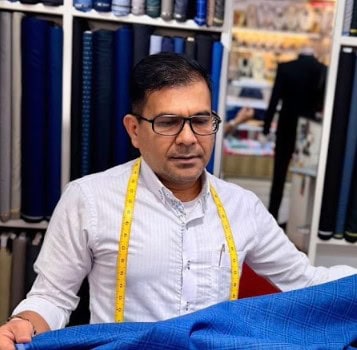
As an established suit tailor in Bangkok, Perfect Tailor BKK crafts tailor-made women’s business suits and men’s suiting, patterned around your measurements, your posture, and the workplaces you will walk into.
Visit Perfect Tailor BKK in Bangkok today to put together an interview outfit matched to the role and dress code you are interviewing for.
References:
Interview and Career Fair Attire. Retrieved 28 October 2026, from https://careers.unc.edu/resource/interview-and-career-fair-attire/
Frequently Asked Questions About What to Wear to an Interview
Q: What should I wear to a job interview at a corporate office?
A: Business casual covers most corporate interviews, which means dress trousers with a blouse and a blazer, or a collared shirt with or without a jacket. If the employer sits in finance, law, or a senior corporate role, move up to a matching suit. When you cannot confirm the dress code, dress one step above what you expect the office culture to be.
Q: Do women need to wear a suit to a job interview?
A: Only when the employer’s dress code is business formal, such as finance, law, or a senior corporate position. For most interviews, dress trousers with a blouse and a blazer, or a professional dress with a jacket, are appropriate. The blazer gives you the flexibility to read the room on the day.
Q: How do I find out an employer’s interview dress code?
A: Start with the interview invitation, since many employers state the expected attire directly. If it does not, look at workplace photos on the careers page or the company’s LinkedIn. When it is still unclear, ask the recruiter whether there is a preferred dress code.
Q: Should I dress differently for a video interview?
A: No. Follow the same dress code you would for an in-person interview with that employer. Run a camera preview beforehand to check how the outfit, lighting, and background look together on screen, and change the top layer if anything reads busy.