




Men’s Wedding Guest Attire: A Style Guide by Dress Code
Key Takeaways
- Each wedding dress code carries specific expectations, from casual where no suit is needed but jeans and sneakers are out, through to black tie where a tuxedo is required and a regular suit is not accepted.
- Time of day and venue shape color and fabric choices. Day weddings lean lighter, evening weddings lean darker, and outdoor venues call for more breathable fabrics.
- Common mistakes include wearing white suits that compete with the groom, overdressing beyond the stated dress code, and ignoring the invite altogether.
- One well-chosen navy or charcoal suit can cover most weddings on the calendar when paired with different shirts, ties, and pocket squares for each event.
When a wedding invitation arrives, the immediate thought is always wardrobe selection. Three factors determine the answer: the invitation’s dress code, the time of day, and the wedding’s location. Once those are correct, everything else will become clear. Failing to choose correctly means you’ll be either too formal, too casual, or simply uncomfortable before the meal even begins.
The good news is that most men’s wedding guest attire decisions are simpler than they seem once you know what each dress code actually asks for and how the venue and time of day affect your choices.
Wedding Guest Outfit Ideas for Men by Dress Code
The dress code on the invite sets the floor for how formal the outfit needs to be. Anything below that floor looks careless, and anything too far above it can feel out of step with the event. Here is what each dress code means in practice:
- Casual: A relaxed code where a suit is not required, but jeans, shorts, T-shirts, and sneakers are still out. Chinos or dress trousers with a linen or cotton shirt and loafers or clean leather shoes work well.
- Beach or destination: Lightweight and breathable, often without a tie. A linen or cotton suit in a light color, a soft-colored shirt, and loafers or dressy sandals if the invite allows.
- Cocktail or semi-formal: A suit and tie are expected. A navy or charcoal suit, white or light blue shirt, silk tie, and leather oxfords or derbies. A pocket square adds a celebratory touch without overdoing it.
- Formal: A dark suit and tie. Stick to charcoal, navy, or dark grey, with a crisp white shirt, dark silk tie, and polished black leather shoes.
- Black tie optional: A tuxedo is preferred, but a dark suit with a conservative tie is also accepted. Polished black shoes complete either look.
- Black tie: A tuxedo with a black bow tie is required. Pair with a white dress shirt and polished or patent black shoes. A regular suit does not meet this dress code.
Adjusting Your Outfit for Time, Venue, and Climate
The dress code tells you how formal to go, but the setting tells you how to fine-tune the details. Day weddings lean toward lighter colors like light grey, soft blue, or tan. Evening weddings call for darker tones like navy, charcoal, or black. A light grey suit that looks right at a Saturday afternoon garden ceremony will feel out of place at a Friday evening ballroom reception.
The venue is also important, and for garden or outdoor weddings, lighter, more breathable fabrics such as linen or tropical wool are suitable. Hotel and city venues are more formal in both style and hue, and they’re usually air-conditioned, so heavier materials are less of an issue. Pack wisely by previewing the wedding venue before your trip.
Tropical weather like Bangkok’s calls for lightweight cloth, unlined or partially lined jackets, and breathable shirts. A fully lined wool suit might look perfect on the hanger, but it will feel uncomfortable halfway through an outdoor ceremony in the heat. Choosing the right fabric for the climate is just as important as choosing the right color for the dress code.
Things to Avoid as a Wedding Guest
Most men figure out what to wear to a wedding by guessing rather than checking the invite, and that is where most dress code mistakes start. If the invite specifies a dress code, follow it. If it does not, a suit in a safe color like navy or charcoal is almost always the right call. When in doubt, it is better to be slightly overdressed than clearly underdressed.
Beyond that, a few rules apply across the board:
- Skip jeans, shorts, T-shirts, athletic sneakers, and loud slogans for anything above truly casual.
- Avoid white suits, white jackets, or all-white combinations that risk competing with the groom or the wedding party.
- Hold back on overly bold prints or colors that pull attention away from the couple. A wedding is their event, not a runway.
- Do not overdress beyond the stated code. A tuxedo at a cocktail wedding is just as out of place as jeans at a formal one.
- Pay attention to shoes. Scuffed or worn-out shoes can undo an otherwise well-put-together outfit, especially in photos.
- Keep accessories simple. A clean watch, a subtle pocket square, and polished shoes are enough. Novelty ties, oversized cufflinks, and flashy belt buckles tend to look out of place at most weddings.
- Make sure the suit still fits. A suit that was comfortable two years ago may pull at the buttons or sit too loose today. Try it on at least a week before the event so there is time to adjust if needed.
One Tailored Suit, Many Weddings
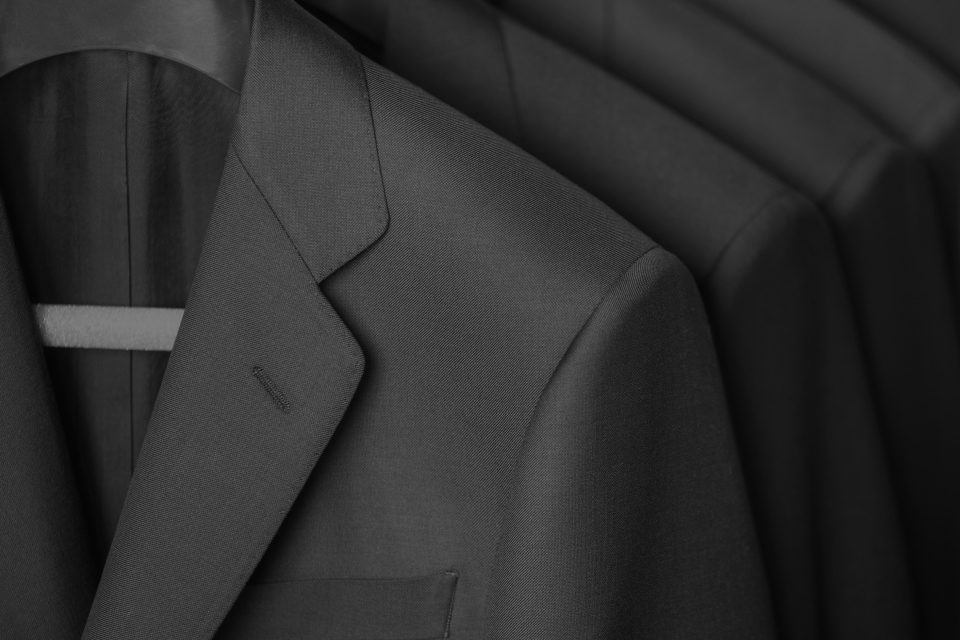
You do not need a different suit for every wedding. A mid-to-dark navy or charcoal works across cocktail, semi-formal, and formal dress codes, and by switching out the shirt, tie, and pocket square, the same suit looks different at every event.
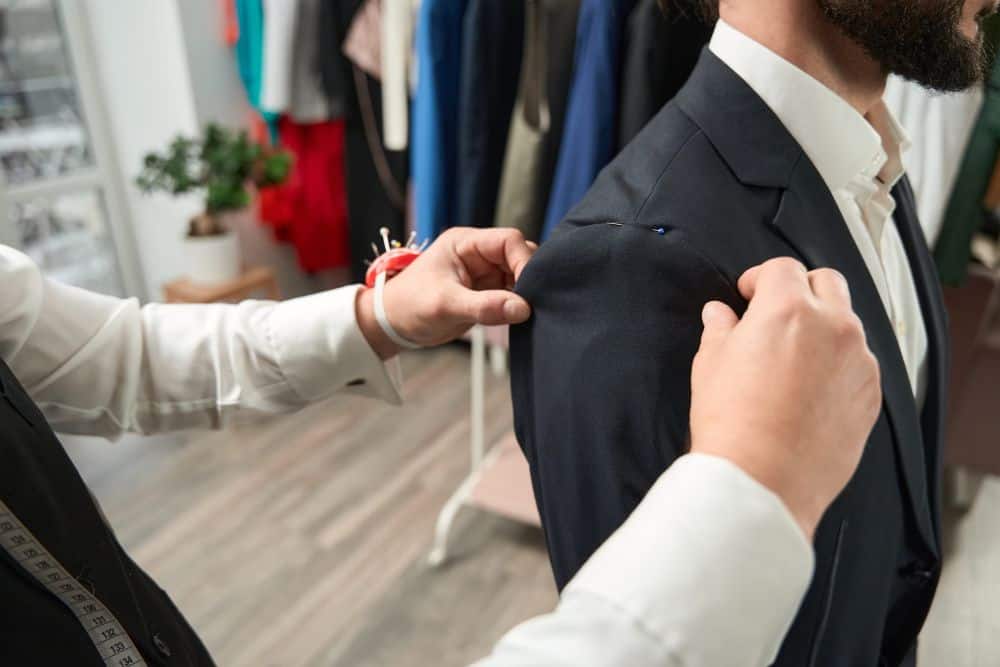
The key to a suit’s success in this regard is its fit. The way the shoulder line, jacket waist, and trouser break are tailored is crucial for looking sharp in wedding photos, distinguishing a dressed-up look from a polished one. A suit that fits perfectly offers greater comfort during lengthy ceremonies and receptions, which is important when you’re standing for extended periods.
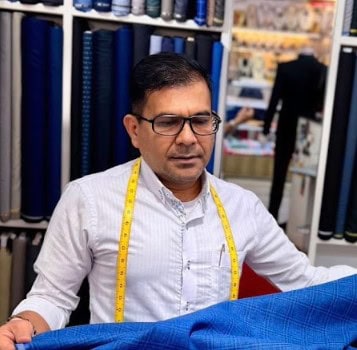
Getting that level of fit from something off the rack is rarely possible. With over 25 years of experience, Perfect Tailor BKK has built a reputation helping clients, from Bangkok-based executives to visiting expats, build suits that perform across dress codes and climates. As one of the most established men’s suit tailors in Bangkok, we work with premium fabrics and precise measurements to deliver a suit that looks sharp in every photo and stays comfortable from the first toast to the last dance. Visit us today.
References
- Menswear Experts Break Down Every Wedding Dress Code for Guys. Retrieved 6 July, 2026 from https://www.theknot.com/content/wedding-dress-code-for-guys
Frequently Asked Questions About Men’s Wedding Guest Attire
Q: What should men wear to a wedding if no dress code is given?
A: When no dress code is specified, a navy or charcoal suit with a white or light blue shirt and a classic tie is the safest choice. It works for most venues and times of day without the risk of overdressing or underdressing.
Q: Can men wear a regular suit to a black tie wedding?
A: No. A black tie dress code requires a tuxedo with a black bow tie, a white dress shirt, and polished or patent black shoes. A regular suit, even a dark one, does not meet the standard for a true black tie event.
Q: Is it acceptable for men to wear white to a wedding?
A: A white dress shirt under a suit is perfectly fine and very common. A full white suit or white jacket, however, risks competing with the groom or wedding party and is best avoided unless the invite specifically calls for it.
Q: What is the best suit color for a wedding guest outfit for men?
A: Navy and charcoal are the most versatile choices. Both work across cocktail, semi-formal, and formal dress codes, and they pair well with a wide range of shirt and tie combinations for different weddings throughout the year.