




What Makes an Expensive-Looking Suit Look That Way?
Key Takeaways
- Fit is the single biggest factor that separates an expensive-looking suit from a forgettable one.
- Natural fabrics like wool, cashmere blends, and silk-wool mixes have a drape and texture that you won’t find in synthetic materials.
- The old money aesthetic relies on muted colours, subtle patterns, and restraint rather than bold logos or flashy details.
- Small details like working buttonholes, horn buttons, and clean stitching quietly signal quality craftsmanship.
- A made-to-measure suit gets the proportions right from the start, which is why custom tailoring consistently outperforms off-the-rack options in appearance.
- Classic leather shoes, minimal accessories, and tonal coordination complete the look and tie the whole outfit together.
Some suits command a room while others disappear into it. The difference between the two, however, rarely comes down to how much you paid. What makes a suit look expensive is a combination of fit, fabric, and carefully chosen details that most people feel but can’t quite name.
If you’ve ever wondered how to achieve that classic, understated look without relying on designer labels, the key lies in knowing what your eyes are already picking up on. Let us explore what makes an expensive suit look the way it does.
The Fit Comes First
An ill-fitting suit will always look cheap, regardless of the brand stitched inside the collar. The jacket’s shoulders should fit perfectly, and the body should drape smoothly without being too tight or too loose.
Then there’s your trouser break, which should be kept minimal. When the line from the waist to the shoe is clean, it results in a sharp and thoughtful silhouette. This is exactly why made-to-measure suits consistently look more expensive than off-the-rack alternatives.
A custom-tailored suit’s proportions naturally enhance your look.
Fabric Signals Everything
Pick up two jackets side by side, one in wool and one in polyester, and you’ll feel the difference before you see it. Wool, cashmere blends, and silk-wool mixes carry a natural drape that moves with you. Polyester, no matter how well it’s tailored, tends to look stiff and shiny under light. That synthetic sheen is visible even from across the room.
Heavier fabrics hold their shape through a full workday and photograph well without creasing into awkward folds. If you want texture without being loud, think flannel, fine herringbone, or a subtle tweed. These fabrics add visual richness and depth while keeping things understated, which is the whole point when you’re aiming for an old money wardrobe.
Weight matters with the season, too. A mid-weight wool in the 260–300gsm range works year-round in most climates and holds its structure without feeling heavy. Lighter tropical wools suit warmer weather well, especially in Bangkok, where your suit should be breathable on top of looking presentable.
Color and Pattern Choices for an Old Money Look
Navy, charcoal, mid-grey, and camel. These four colors form the backbone of classic, expensive-looking dressing.
In a classic old money look, you will see how these colors pair easily with one another, layering well across seasons, and never looking like you’re trying too hard. Earth tones and muted hues do the same job, as they signal confidence and restraint.
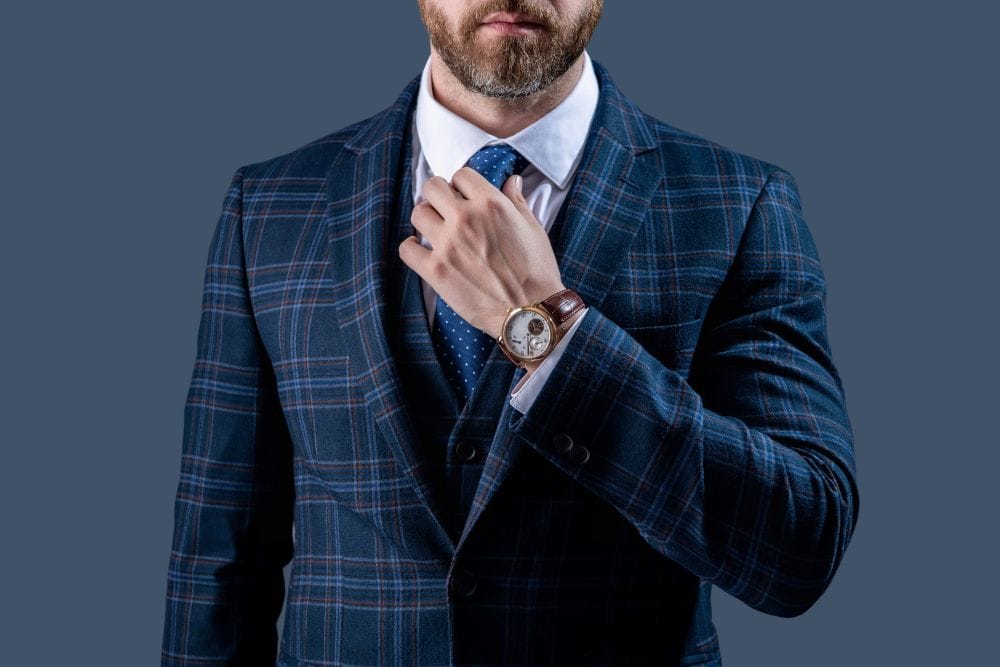
Patterns follow the same logic. Fine pinstripes, windowpane checks, and glen plaid all add texture without overstating it. Bold colors and oversized prints might grab attention, but they rarely hold it the way a well-chosen charcoal suit with a subtle pattern does.
For men’s style in particular, what makes a suit look expensive usually comes down to quiet choices, not loud ones.
The Details That Distinguish
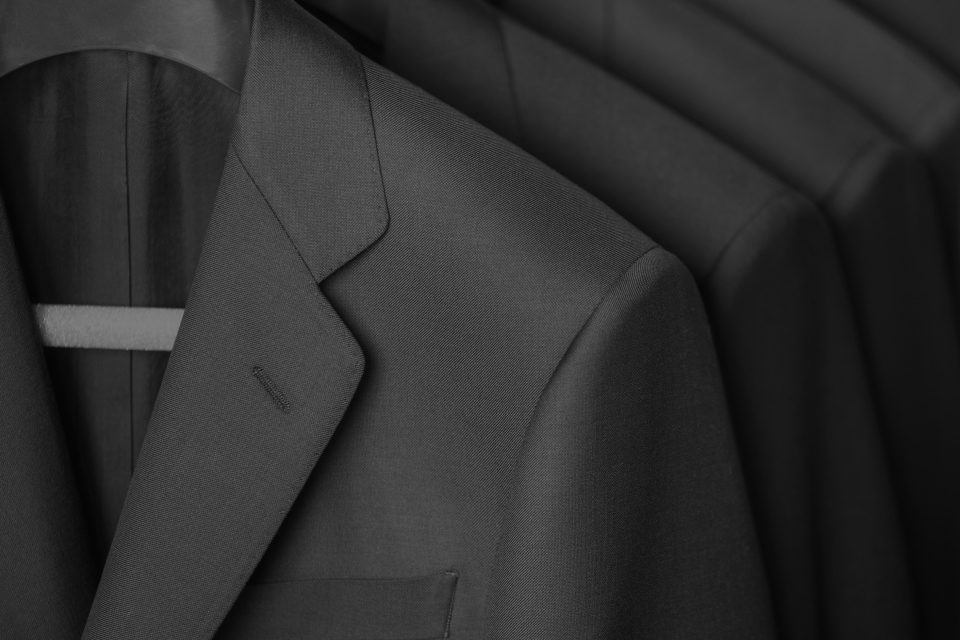
Working buttonholes on the sleeve, sometimes called surgeon’s cuffs, are one of those quiet signals that tailoring enthusiasts notice immediately. They serve no practical purpose for most people, but they tell you the suit was made with care rather than mass-produced on a factory line.
Horn or mother-of-pearl buttons have a distinct weight and finish compared to plastic ones. These, alongside a well-defined lapel (notch, peak, or shawl), establish the jacket’s overall visual style.
The stitching also needs to be neat, even, and consistent. Though most people overlook details like functional pockets, a well-weighted lining, and neat interior finishing, these elements significantly impact how a suit fits and moves with you. Less visible detail often signals more craft.
How to Style a Suit the Old Money Way
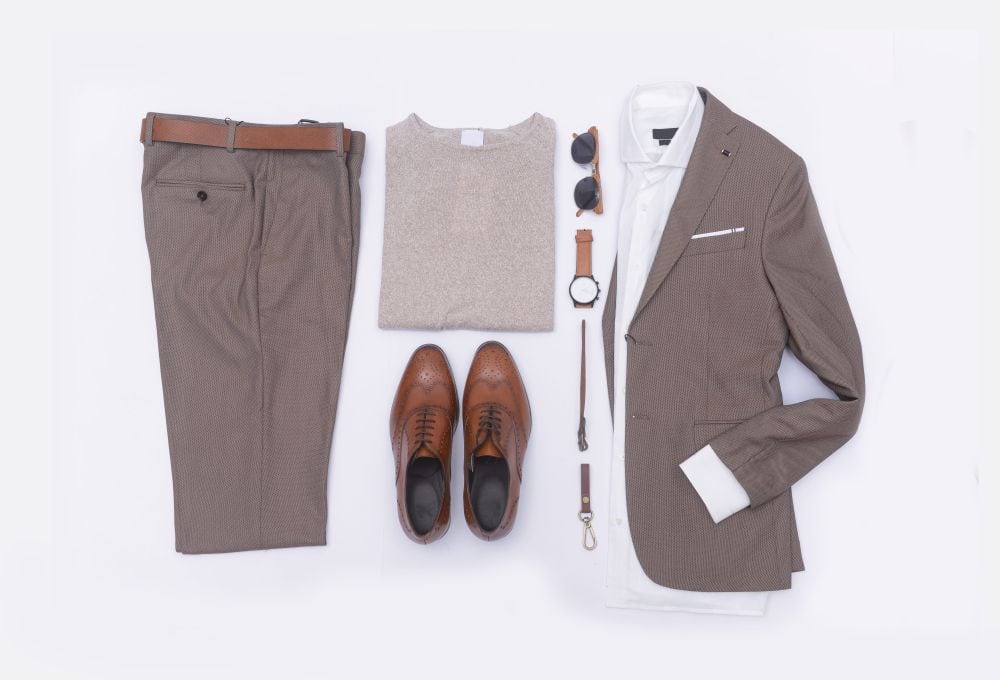
The suit itself is only part of the equation, for there are the other elements that complete a look, especially an old money one.
- Footwear matters. A pair of quality leather Oxfords or Derby shoes in tan or dark brown anchors the look.
- Keep your accessories minimal. A silk pocket square, a slim tie or none at all, and a classic watch with a clean dial are enough.
- Don’t overdo flashy statement pieces. These tend to work against the understated effect you’re going for.
Your shirt is just as part of the foundation. A crisp white or pale blue dress shirt pairs with virtually everything and keeps the focus on the suit’s cut and fabric.
It might seem contrary, but knowing how to dress like a rich man comes down to choosing fewer, better pieces and letting them work together.
Build a Wardrobe That Commands the Room
A well-fitting suit made from quality, natural-draping fabric and subtly crafted details signifies luxury. Your footwear and timepiece, among other things, help unify the look.
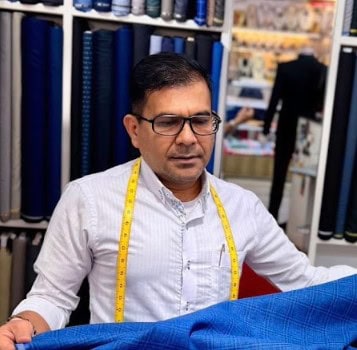
Find your perfect suit at Perfect Tailor, your custom tailor-made suit shop in Bangkok. With over 25 years of experience, we build every suit with your exact measurements using premium wool, cashmere blends, and fine fabrics selected for their drape and durability. Our style consultants work with you on fabric, cut, and finishing so you walk out in a suit that fits the way it should.
References:
- The Suit : Form, Function and Style. Retrieved on 21 April 2026 from https://press.uchicago.edu/ucp/books/book/distributed/S/bo22283542.html
Frequently Asked Questions AboutWhat Makes a Suit Look Expensive
Q: Can an affordable suit still look high-end?
A: Yes. The most effective upgrade is tailoring the fit to your body. A moderately priced suit that’s been adjusted at the shoulders, waist, and trouser length will outperform an expensive off-the-rack option that doesn’t fit properly.
Q: What colors look the most expensive in a suit?
A: Navy, charcoal, mid-grey, and camel are the classic choices. These muted, versatile tones project confidence and pair well with a wide range of shirts, shoes, and accessories.
Q: Is a made-to-measure suit worth the investment?
A: For most people, yes. A made-to-measure suit is cut to your specific measurements, which means the shoulders, torso, and trouser proportions are right from the start. The result is a cleaner silhouette that looks more polished and intentional.